
Copper Busbar Bending Machine Selection Series‑4: Operation Platform Design for Higher Debugging Efficiency
Why Focus On Operation Platform?
When purchasing copper busbar bending machine, most buyers prioritize processing range, axis quantity, servo performance, bending accuracy and automation level, yet overlook the position and structure of the operation platform.
For copper and aluminum busbars used in new‑energy vehicles, high‑voltage switchgears and energy‑storage systems, workpieces are usually long with complex geometries and multi‑direction bending features.
During machine commissioning, operators frequently need to: adjust bending angles, modify feeding distance, edit product programs, set processing parameters, run single‑step cycles, inspect finished parts and fine‑tune parameters accordingly.
If the control station sits far away from the working zone, operators have to walk back and forth repeatedly. Therefore, the operation platform is far more than a simple control terminal; it directly determines debugging speed, operating convenience and human‑machine coordination of your copper busbar bending machine.
Movable VS Fixed Operation Platform
Major busbar processing equipment brands including Benlang, Yongteng, Ningchuang, Jingye and Yonglian adopt two typical platform designs: movable operation platform and fixed operation platform.
1. Movable Operation Platform: Bring Operators Closer To Working Zone
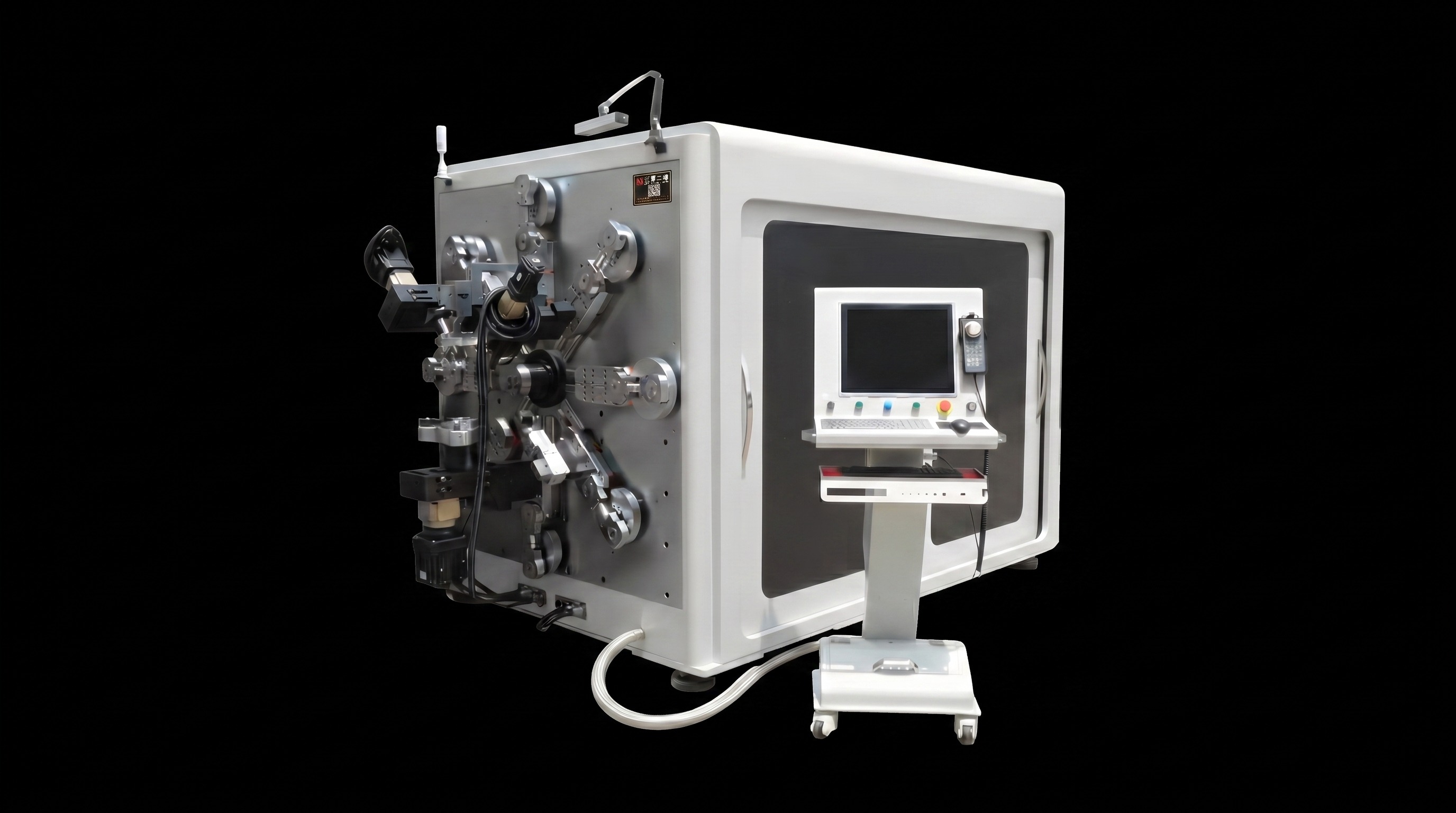
Yongteng equips its machines with movable operation platform. Since copper busbar bending machine often features long machine beds and large working areas, fixed consoles force constant operator movement. The movable console can slide along to the actual debugging position. Operators can observe bending status nearby and edit parameters right beside workpieces. Its core value lies in creating a reasonable working distance among operator, HMI interface and busbar parts.
2. Fixed Operation Platform: Stationary Control Position
Some manufacturers such as Yonglian use fixed‑type consoles. When the forming zone is distant from the control panel, operators must follow this loop: observe workpiece → walk to console → adjust parameters → return to machine → run cycle → inspect again. For complex busbar geometries, this loop repeats many times. Each round trip seems trivial, yet accumulates to considerable productivity loss with daily frequent part change‑overs.
Practical Benefits Of Movable Operation Platform
1. Cut down back‑and‑forth walking during debugging
Before mass production, busbar samples require repeated trial runs and parameter validation. A movable operation platform keeps operators close to workpieces and reduces unnecessary movement, especially critical for extra‑long busbar workpieces.
2. Real‑time observation of processing status
Operators need to check material positioning, feeding stability, bending angles, part interference and dimensional compliance. Sliding‑type console keeps HMI near forming area and improves observation & adjustment efficiency for busbar processing equipment.
3. Better for complex‑geometry busbar debugging
Simple single‑bend parts require minimal tuning. New‑energy busbars for EV and energy storage contain multi‑direction bends and sequential forming steps. Frequent walking severely slows iteration cycles. Human‑centered platform design becomes essential for complex parts.
4. Improve long‑term operator experience
Great hardware specs mean little if daily operation involves excessive walking and fatigue. The adjustable movable operation platform delivers flexible working space and reflects modern human‑machine engineering for copper busbar bending machine.
Why Busbar Equipment Needs Flexible Control Station
Compared with ordinary metal forming machines, busbar processing equipment features extended working travel. EV high‑voltage busbars are custom‑made for battery packs, e‑drive units and power distribution assemblies. One single workpiece may combine straight segments, multi‑angle bends, twists and spatial offsets. Operators need to inspect different forming sections constantly. Poorly‑positioned fixed consoles generate plenty of non‑value‑add movement. Console layout should match machine bed length, processing envelope and part complexity, not merely cabinet installation constraints.
Platform Affects Product Change‑Over Efficiency
Many factories separate debugging performance from mass‑production output, while they are tightly connected. Fast‑updating new‑energy and electrical industries run frequent part variants on one production line. Smooth workflow should be: recall program → modify parameters → trial run → inspect workpiece → fine‑tune → mass‑produce. Inflexible control layout adds redundant steps during change‑over. When sourcing copper busbar bending machine, evaluate not only “what it can produce”, but also “how easy it is to produce with it”.
Key Checkpoints For Operation Platform Selection
Complete these on‑site verifications during equipment evaluation:
1. Is the operation platform movable? Long‑travel machines gain huge flexibility from sliding consoles.
2. Is sliding travel sufficient for your maximum workpiece size?
3. Can operators view both workpiece and HMI simultaneously after repositioning?
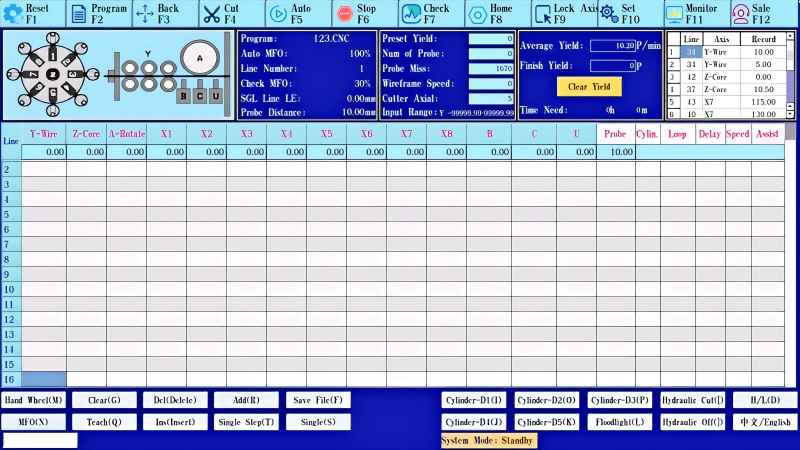
4. How convenient are program loading, parameter editing and single‑step manual operation?
5. Involve actual shop‑floor operators for assessment, not only purchasing or technical staff. End‑users know real‑world pain points best.
Beyond Spec Sheet — Assess Real‑World Productivity
Two copper busbar bending machine units may share similar specs on paper, yet perform very differently in production. Auxiliary feeding, operation‑platform layout, program workflow, change‑over procedure and ergonomics heavily shape real‑world throughput. For high‑mix production, these details outweigh isolated technical parameters. Carry out full process validation: loading → commissioning → parameter adjustment → trial forming → inspection → fine‑tune → mass run. Only full workflow testing tells whether the machine fits your workshop.
Benlang Ergonomic Design For Better Usability
For long‑size busbar processing, console layout should serve real production workflows instead of fixed mounting positions. Well‑designed movable operation platform brings operators close to forming area, cuts useless movement and enables real‑time observation plus instant parameter editing. This delivers tangible convenience for EV busbar, energy‑storage busbar and complex electrical component manufacturing. Premium automatic busbar processing equipment combines high forming accuracy with easy tuning and fast part change‑over.
Conclusion & Inquiry
When choosing copper busbar bending machine, do not focus merely on bending accuracy, servo power and axis count. For long‑size, complex and multi‑variant busbar parts, operation‑platform architecture directly influences daily debugging and change‑over efficiency. The movable operation platform minimizes unnecessary movement between parameter editing, visual inspection and program tuning, and greatly improves human‑machine collaboration.
Belan Machinery provides professional metal wire forming solutions for automotive industry. If you are comparing different brands of copper busbar bending machine, or confused between movable and fixed operation platforms for your busbar jobs, please get in touch with Belan technical team. Submit your busbar drawing, material specs, workpiece length, geometry and expected output volume, we will deliver customized equipment selection and automation solutions based on your actual production workflow.