
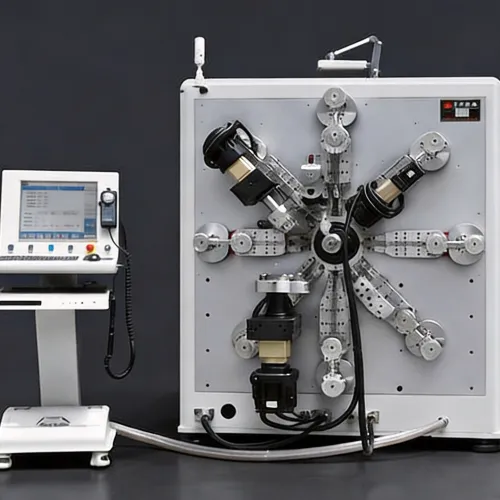
Features
Why Choose BELAN?
Multi-Axis CNC Precision Control
Advanced multi-axis CNC systems enable precise coordination of feeding, bending, rotating, cutting, and forming processes. This ensures accurate geometry, consistent quality, and stable production performance for complex wire components.
Customized Wire Forming Solutions
Belan provides customized forming solutions based on different wire materials, product structures, and production requirements. From automotive components to special wire parts and busbar applications, we help customers select the right machine configuration for their needs.
High Accuracy & Repeatable Production
Servo-controlled systems and precision mechanical structures deliver excellent feeding accuracy and bending consistency, helping manufacturers maintain stable product quality during continuous production.
Integrated Automatic Forming Process
Belan machines integrate multiple processes including wire feeding, straightening, bending, rotating, cutting, and forming into one automated workflow, reducing manual operations and improving overall production efficiency.
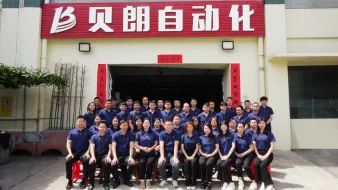
We Have The Best Solutions for Your Business
DONGGUAN BELAN AUTOMATION EQUIPMENT CO.,LTD stands at the forefront of the global wire forming industry. Located in the manufacturing heartland of Dongguan, we specialize in high-end 2D and 3D wire forming solutions that merge German precision with Chinese agility.
By integrating advanced CNC technologies from Japan and Korea, we have solved the industry's most persistent challenges: achieving micron-level precision while maintaining high-speed production stability.
Belan Busbar Bending Machine: Precision CNC Solutions for Copper and Aluminum Busbar Manufacturing
Belan busbar bending machines represent a complete range of CNC servo-controlled bending systems engineered for copper and aluminum busbar processing across electrical switchgear, power distribution, new energy vehicle, and energy storage applications. With three distinct TP Series models — the BL-TP-50-7E, BL-TP-45-6E, and BL-TP-30-5E — Belan offers scalable solutions covering bending capacities from 30×5 mm to 50×8 mm, supported by a global installation network and CE-certified manufacturing quality.
Overview of the Belan TP Series Busbar Bending Machine Lineup
The TP Series is Belan's flagship busbar processing platform, designed around a modular multi-axis servo architecture that enables bending, punching, shearing, and embossing within a single clamping cycle. Each model targets a specific production tier:
BL-TP-50-7E — High-Capacity Workhorse: The largest model in the lineup, the BL-TP-50-7E handles copper and aluminum busbars up to 50×8 mm (width × thickness). Its 15-axis servo configuration supports complex multi-bend geometries with automatic feeding and positioning, making it the preferred choice for high-volume switchgear manufacturers and busbar subcontractors.
BL-TP-45-6E — Versatile Mid-Range Solution: With 13 servo axes and a bending capacity of 45×6 mm, the BL-TP-45-6E offers an optimal balance of throughput and flexibility. It is widely deployed in electrical cabinet production, EV busbar fabrication, and medium-scale power distribution equipment manufacturing.
BL-TP-30-5E — Compact Precision Bender: The 12-axis BL-TP-30-5E targets smaller busbar profiles up to 30×5 mm, ideal for battery pack interconnects, molded case circuit breaker (MCCB) connections, and compact power distribution units where tight tolerance and rapid cycle times are critical.
All three models share the same core architecture: a fully enclosed servo-driven bending head, automatic material clamping and positioning, and an integrated HMI with programmable bending sequences. This common platform approach simplifies operator training, spare parts management, and production line scaling. For a complete overview of the Belan busbar product line, visit the products page.
All-Servo CNC Architecture: The Core Differentiator
What distinguishes Belan TP Series machines from conventional hydraulic busbar benders is their all-servo drive architecture. Every axis — bending, feeding, clamping, punching, shearing — is driven by an independent AC servo motor with closed-loop position feedback. This design delivers several measurable advantages:
Bending Angle Accuracy ±0.3°: Closed-loop servo control eliminates the angle drift common in hydraulic systems due to oil temperature variation. Each bend is executed to the programmed angle with real-time torque monitoring that automatically compensates for material springback — particularly important when processing aluminum busbars, which exhibit greater elastic recovery than copper.
Energy Efficiency: Unlike hydraulic power units that run continuously, servo motors draw power only during active motion. Idle consumption is effectively zero, resulting in approximately 40-50% lower energy costs compared to equivalent hydraulic machines over an 8-hour shift.
Maintenance Reduction: With no hydraulic oil, pumps, valves, or seals to service, the TP Series eliminates the single largest maintenance burden in traditional busbar processing. Routine maintenance consists primarily of guide rail lubrication and tooling inspection.
Programmable Multi-Step Sequences: The HMI allows operators to define complex bending programs — up to 20 sequential steps — including bending angle, feed length, rotation direction, and auxiliary operations (punching, embossing). Programs can be saved, recalled, and transferred between machines, enabling rapid batch changeovers.
Component Quality: Taiwan-Sourced Core Parts
Belan's engineering philosophy prioritizes component quality at the subsystem level. The TP Series integrates precision components from established Taiwanese manufacturers, selected for their track record in industrial automation:
Servo Motors and Drives — Sanyo Denki (Taiwan): The AC servo motors and matching drives deliver high torque density with low inertia, essential for the rapid acceleration and deceleration cycles in multi-bend programs. Sanyo's 23-bit absolute encoders eliminate the need for homing routines at startup.
Ball Screws and Linear Guides — Taicheng (TCG): Precision-ground C3-grade ball screws and linear guideways ensure consistent positioning repeatability across the full stroke length. TCG components are widely used in Taiwanese CNC machine tools and semiconductor equipment, reflecting their reliability under high-duty-cycle operation.
PLC and HMI — Yituo (Yitu): The control system is built on industrial-grade PLC hardware with a touchscreen HMI that supports multi-language interfaces (English, Chinese, Spanish, Portuguese, Turkish, Vietnamese, Arabic). Programming is icon-driven with visual preview of bend geometry before execution.
Single-Cycle Integrated Processing
A defining feature of Belan TP Series machines is integrated processing — the ability to perform bending, punching, shearing, and embossing operations within a single clamping cycle. This eliminates the need to transfer workpieces between separate machines, dramatically reducing handling time and eliminating cumulative positioning errors.
The workflow proceeds as follows:
- The operator loads a straight busbar blank into the automatic feeding carriage.
- The servo feeder advances the material to the programmed length with ±0.1 mm positioning accuracy.
- The bending head executes the first bend at the programmed angle and direction.
- If the program calls for punching or embossing, the material is indexed to the punch station without reclamping.
- After all intermediate operations, subsequent bends are executed in sequence.
- The final shear operation cuts the finished busbar to length, and the completed part is ejected.
This integrated approach is particularly valuable for complex busbars with multiple bends and punched holes, such as those used in main distribution boards and power control centers, where a single part may require 8-15 distinct operations. For a detailed case study on Belan's integrated busbar processing in real-world production environments, see the cut-to-length busbar bending case study.
CE Certification and Manufacturing Quality
All Belan TP Series busbar bending machines are CE-certified, confirming compliance with EU safety directives (Machinery Directive 2006/42/EC, EMC Directive 2014/30/EU, and Low Voltage Directive 2014/35/EU). The CE marking is a prerequisite for import into the European Economic Area and is recognized by regulatory authorities in many non-EU markets as evidence of conformity with international safety standards.
Belan's manufacturing facility operates under ISO 9001:2015 quality management system certification. Key quality control processes include:
- Incoming inspection of all servo motors, ball screws, and electronic components against datasheet specifications
- Frame weldment dimensional verification using laser alignment tools
- Run-in testing: every machine undergoes a minimum 48-hour continuous run-in cycle before shipment
- Sample part validation: each machine produces a pre-agreed test busbar with the customer's target material and geometry, verified by coordinate measuring machine (CMM)
- Final QC checklist covering 87 inspection points across electrical, mechanical, and safety systems
Global Service and Installation Support
Belan provides comprehensive after-sales support through a network of service engineers covering key manufacturing regions. Standard service packages include on-site installation and commissioning, operator training (typically 3-5 working days), and a 12-month warranty on all mechanical and electrical components.
Remote diagnostic capability via industrial VPN connection enables Belan engineers to access machine PLCs for troubleshooting, program optimization, and firmware updates without waiting for on-site visits. Spare parts are stocked at regional service centers in Southeast Asia, the Middle East, Europe, and South America, with typical lead times of 5-7 working days for non-stock items. Details on service terms are available on the after-sales support page and the warranty policy page.
Application Coverage Across Industries
Belan TP Series machines serve a broad range of industries where precision busbar fabrication is essential:
| Industry | Typical Busbar Profiles | Recommended Model |
|---|---|---|
| Low-Voltage Switchgear | 30×5 to 50×8 mm | BL-TP-50-7E |
| EV Battery Packs | 15×2 to 30×3 mm | BL-TP-30-5E |
| Power Distribution Cabinets | 20×3 to 40×6 mm | BL-TP-45-6E |
| Data Center PDUs | 15×2 to 25×5 mm | BL-TP-30-5E / BL-TP-45-6E |
| Energy Storage Systems | 20×3 to 40×6 mm | BL-TP-45-6E |
For manufacturers serving the electric vehicle sector specifically, Belan offers dedicated application engineering support covered on the EV busbar processing solutions page.
Machine Selection Guide: Matching Model to Production Requirements
Selecting the right Belan TP Series model depends on three primary factors: maximum busbar cross-section, production volume, and part complexity.
Choose BL-TP-50-7E when: Your production involves busbars exceeding 45×6 mm, or you require the ability to process both standard profiles and occasional heavy-section bars (up to 50×8 mm) on the same machine. Its 15-axis configuration provides the most comprehensive tooling options, including integrated embossing for part marking.
Choose BL-TP-45-6E when: Your busbar range falls within 40×6 mm for the majority of production, with occasional requirements up to 45×6 mm. This is the most popular configuration for electrical cabinet manufacturers who need a reliable workhorse with lower capital investment than the 50-7E.
Choose BL-TP-30-5E when: Your primary busbar profiles are 30×5 mm or smaller, with high mix and frequent changeovers. Its compact footprint makes it suitable for production cells where floor space is constrained, such as battery pack assembly lines.
For detailed specifications of each model, refer to the individual product pages: BL-TP-45-6E and BL-TP-30-5E.
Return on Investment: Throughput and Cost Analysis
The payback period for a Belan TP Series machine is typically 12-18 months in medium-to-high volume production environments. The primary ROI drivers are:
- Labor reduction: One operator can manage a TP Series machine producing 200-400 busbars per shift, replacing 3-4 workers using manual hydraulic benders and separate punching/shearing stations.
- Scrap reduction: First-part accuracy eliminates the trial-and-error bending common with manual machines, reducing material waste from 3-5% to below 0.5%.
- Energy savings: Servo-electric drive consumes approximately 60% less electricity than equivalent hydraulic machines.
- Floor space efficiency: Integrated processing eliminates 2-3 standalone machines (separate puncher, bender, shear), freeing production floor space.
For manufacturers exporting to EU markets, the CE certification also avoids the cost and delay of third-party conformity assessment — a saving that alone can offset 5-8% of the machine purchase price in markets requiring CE compliance.
Getting Started with Belan Busbar Bending Machines
Belan's technical sales process begins with a detailed requirements assessment covering your busbar profiles (material, width, thickness), target production volume (busbars per shift), and factory infrastructure (available power supply and floor space). Based on this assessment, Belan recommends the appropriate TP Series model and provides a sample part validation using your actual material specifications.
To request a quotation or schedule a technical consultation, visit the contact page. For additional technical resources, browse the articles section and white papers library.
Featured Products
Collection about BELAN
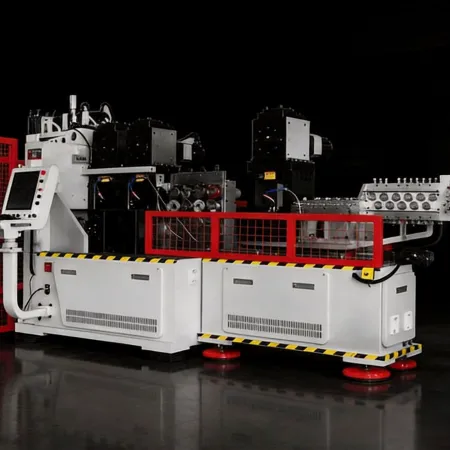
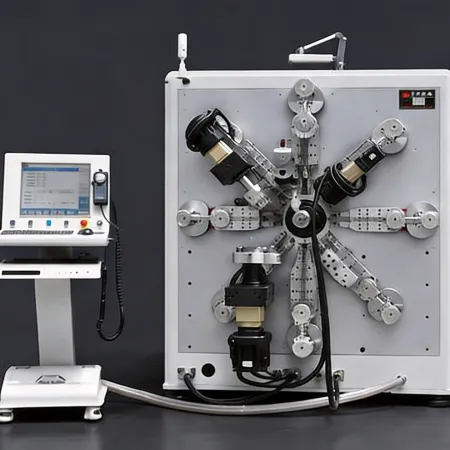
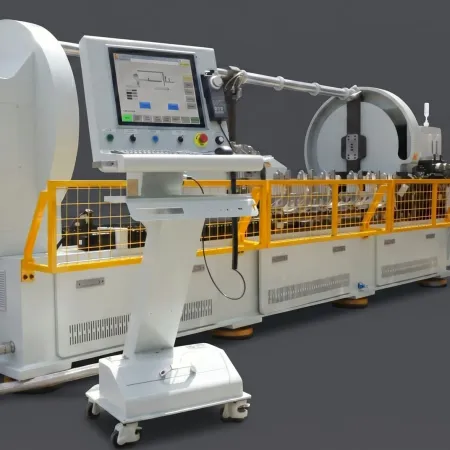
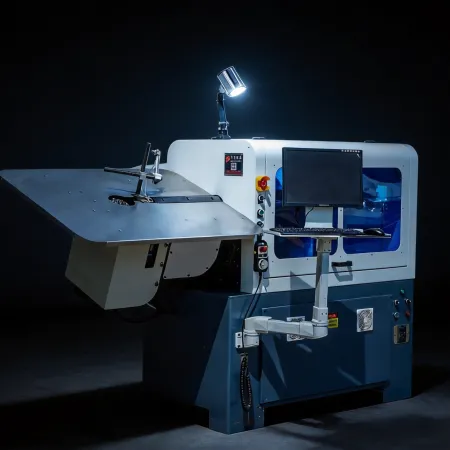
User Reviews
What users say about BELAN
Frequently Asked Question
Do you have any question?
A busbar bending machine is an automated machine designed to bend copper or aluminum busbars into specific shapes required for electrical power systems. It uses CNC control and servo technology to achieve accurate bending angles, consistent dimensions, and efficient production.
Most CNC busbar bending machines are designed for conductive materials such as copper and aluminum busbars. The suitable material range depends on the machine configuration, including busbar width, thickness, and required forming processes.
Busbar bending machines are widely used in EV manufacturing, battery systems, electrical cabinets, switchgear, power distribution equipment, and industrial electrical applications where precise busbar forming is required.
CNC busbar bending machines improve production efficiency by automating feeding, positioning, bending, and forming processes. They provide better repeatability, higher accuracy, reduced manual adjustment, and more consistent quality for mass production.
The right machine depends on busbar material, width, thickness, bending complexity, production volume, and required automation level. Manufacturers should evaluate processing requirements and select equipment with suitable CNC capability and forming range.
Yes. Belan provides customized busbar bending solutions based on customers' production requirements, including busbar specifications, forming processes, machine configuration, and application needs.
Our updates and blog posts
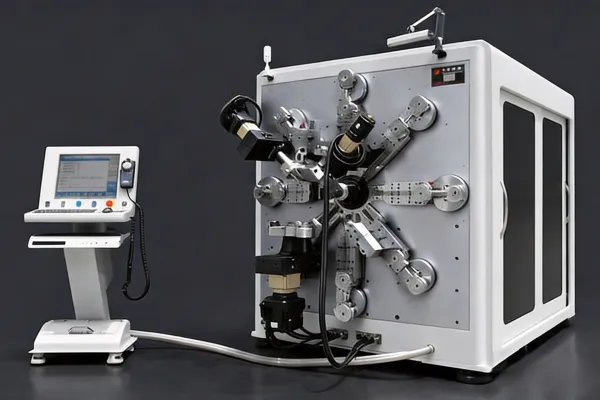
Busbar Bending Machine: CNC Precision Engineering for Modern Power Distribution Manufacturing
Complete guide to CNC busbar bending machines: types, components, materials, bend types, applications, quality standards. Belan TP Series. CE and ISO 9001.
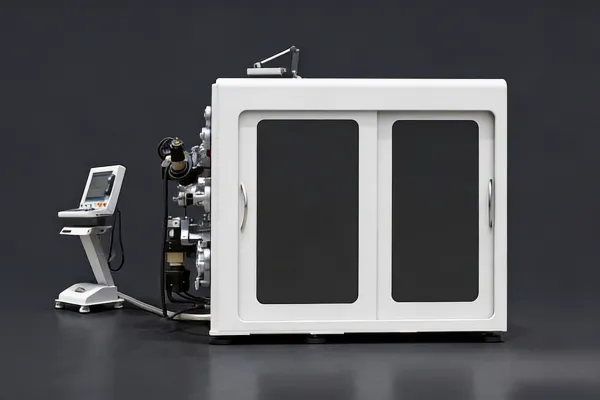
Busbar Bending Machine: CNC Precision Engineering | Belan
CNC busbar bending machine technology: servo-hydraulic systems, closed-loop angle measurement, springback compensation, CAD integration. Belan TP Series.