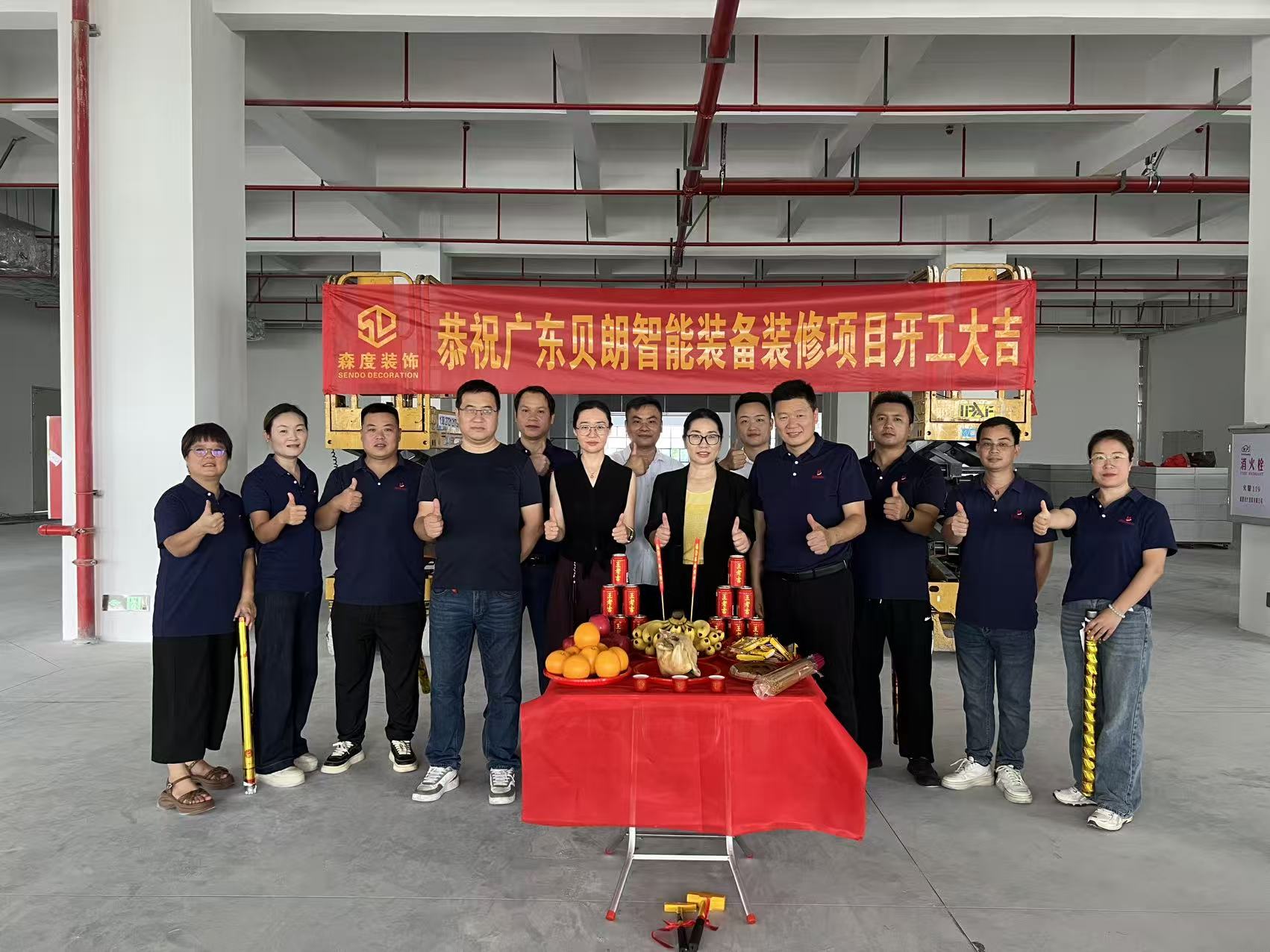

DOGA visited BELAN for on-site acceptance of a wiper arm forming machine. The project provides a practical setting for examining integrated processing, complex bending and product changeovers. Beyond finished dimensions, manufacturers need to evaluate how material preparation and production settings support daily operation.
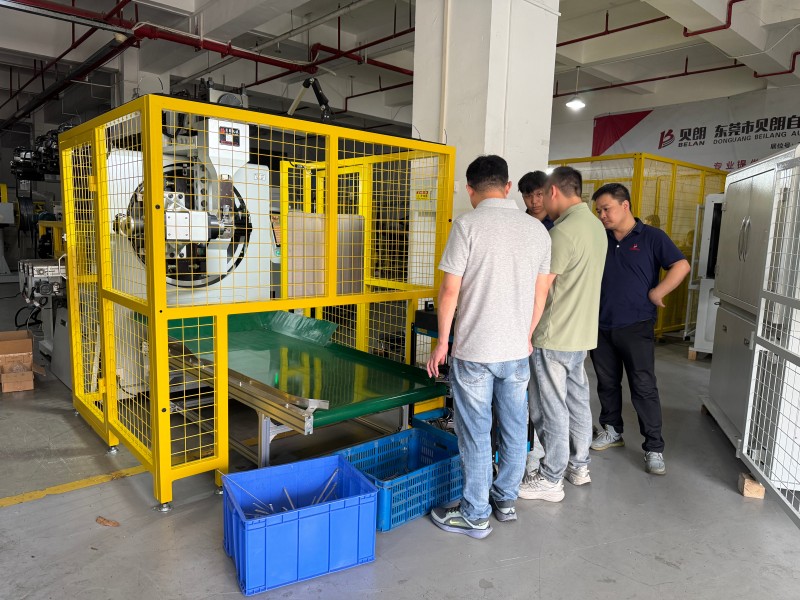
DOGA Project Background
DOGA develops wiper systems for applications including construction equipment, agricultural machinery, trucks, buses and railway vehicles, as described on its official wiper systems page. These applications provide wider industry context; the parts and end uses covered by this project remain subject to the drawings agreed with the customer.
Different arm geometries can require different bending directions, hole locations and installation dimensions. Acceptance should therefore connect the proposed manufacturing process with representative parts and agreed inspection criteria.
Integrated Processing from Coil to Finished Part
When bending, punching, logo stamping and cutting are handled separately, production requires transfers between workstations and repeated positioning. Integrating these operations can reduce handling and simplify work-in-progress management.
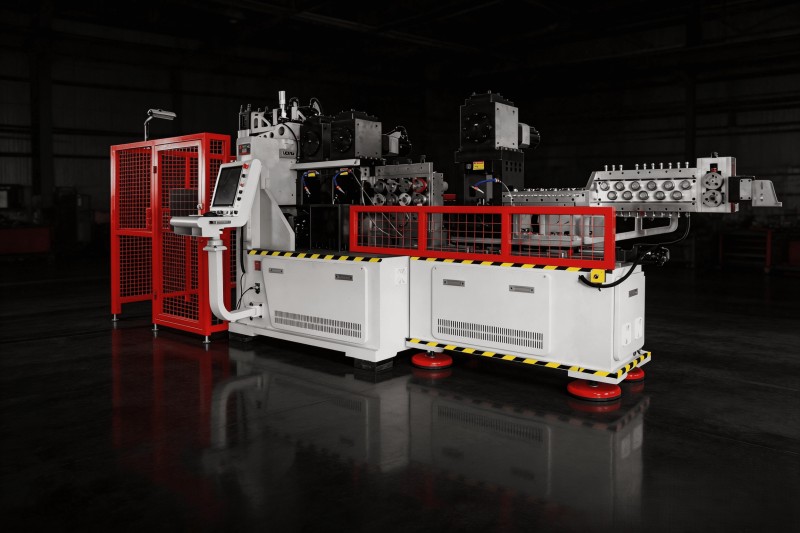
The BELAN wiper arm forming machine can combine coil feeding, straightening, bending, logo stamping, hole punching, notching or tooth pressing, and cut-off. The enabled operations and their sequence depend on the part design, material and tooling configuration.
Validate the Complete Processing Sequence
For automatic wiper arm production, validation should follow the material from coil entry to finished output. Parts with holes and twisted sections require particular attention to positioning and tool clearance. The sequence must avoid interference with features already formed. Any remaining secondary operations should be identified during drawing review.
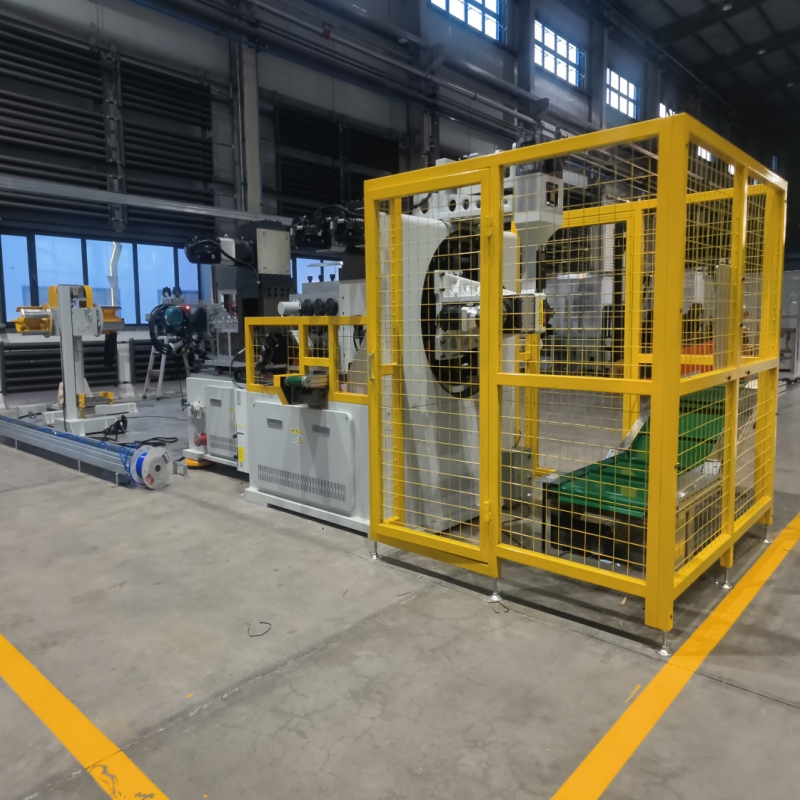
Complex Bending for Three-Dimensional Arms
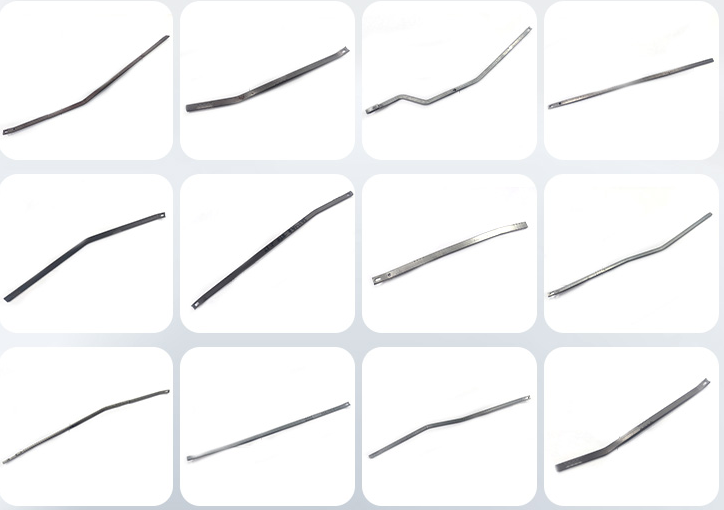
Wiper arms may combine lateral bends, upright bends and local twists. If a machine cannot complete the required geometry, additional clamping or secondary equipment may be necessary.
BELAN uses synchronized inner and outer rotary bending to support these forming directions. This wiper arm forming machine configuration expands the range of spatial shapes that can be processed compared with spring-forming configurations without twisting capability.
Confirm Feasibility Against Part Drawings
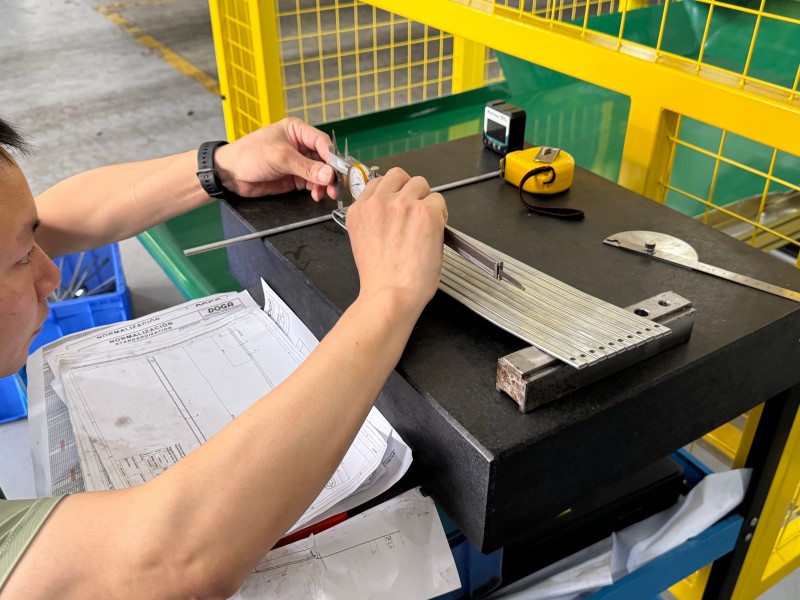
Multi-directional bending does not make every design automatically feasible. Material cross-section, strength, bend radius, spacing between bends and available tool clearance all influence the process. Representative samples should be checked for key dimensions, twist orientation and overall shape against the agreed drawings or gauges.
Product Changeovers and Setup Recovery
For compatible parts within the machine's processing range, product switching mainly involves replacing the cut-off and stamping dies. The stamping tooling includes a positioning and locking device to assist installation. Other adjustments depend on differences between the parts.
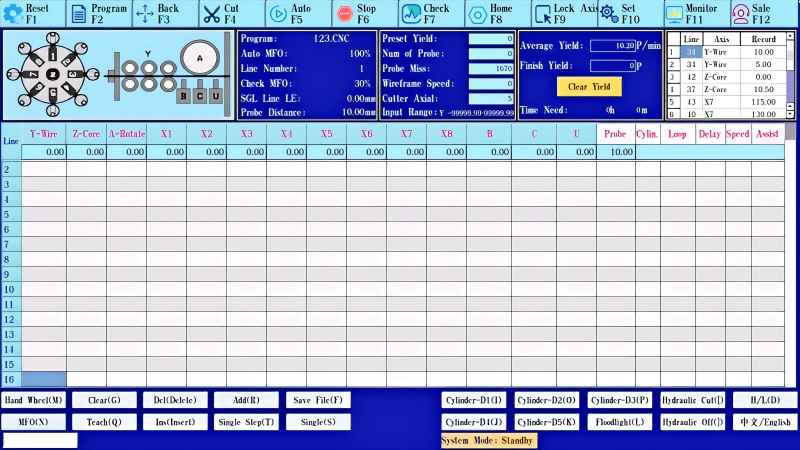
Evaluating a wiper arm forming machine requires measuring the complete changeover: from stopping the previous part to producing an approved first piece of the next design. Tool replacement, program selection, material adjustment and dimensional checks all contribute to this interval.
Record Settings for Repeat Orders
The straightening mechanism has graduated scales, allowing operators to record reference positions for different material specifications. Linking these records with tooling numbers, part programs and approved samples helps organize repeat setups.
Where multiple parts are included in acceptance, the changeover review should record the actual adjustments and first-piece inspection. Scale readings support setup recovery but do not replace finished-part measurement.
Dual-Head Decoiler and Assisted Feeding
The machine includes a dual-head decoiler with a rated capacity of 1,000 kg per side. Subject to safe operating procedures, material can be prepared on the other side while the current coil is being processed, reducing preparation delays before a coil change.
An auxiliary feeding mechanism helps an operator guide material into the line. Heavy coils still require suitable lifting or handling equipment. The dual-head arrangement should not be interpreted as automatic coil splicing or uninterrupted coil changing.
Observe Feeding During Continuous Operation
Continuous-run checks should record feeding behavior, process coordination and reasons for any stops under agreed conditions. Runtime, output quantity and sample measurements provide a basis for evaluating the proposed automatic wiper arm production workflow.

Finished-Part Inspection and Delivery Preparation
A wiper arm forming machine should be assessed through both dimensional inspection and surface-quality checks. Relevant features include overall geometry, hole locations, tooth-pressed areas, logo clarity and cut ends.
The cut-off module includes a pre-clamping function intended to stabilize cutting and help reduce burr formation. Actual cut quality must be checked on samples against the agreed criteria. Integrated processing capability alone does not establish finished-part acceptance.
The final acceptance conclusion should combine inspection results, operating records and any agreed changeover checks. Once outstanding items are resolved and delivery conditions are met, packaging and shipment can proceed. Tooling lists, program backups and setup records help the customer's team restore the agreed production settings after installation.
Discuss Your Wiper Arm Forming Requirements
Send BELAN your part drawings, material specifications, required operations and production targets. Include your product mix and changeover requirements so our team can assess a suitable wiper arm forming machine configuration, identify tooling needs and recommend the next steps for sample evaluation.
BELAN Machinery, your expert provider of automotive wire forming solutions