
Comparison of Three Feeding Structures for Copper‑Aluminum Busbar Bending Machine: Track, Roller and Clamping Feeding
Industry Background
Driven by new‑energy vehicles, energy‑storage systems, electrical control cabinets and high‑voltage power distribution projects, copper‑aluminum busbar products are trending toward miniaturization, complex shapes and diversified specifications. For manufacturers, the copper aluminum busbar bending machine must not only guarantee basic bending accuracy, but also balance material compatibility, feeding stability, product change‑over efficiency and surface protection of workpieces.
In actual production, the feeding mechanism of a busbar bending machine directly determines whether raw materials can be delivered stably to the bending zone, which greatly affects machining precision and throughput. Three mainstream feeding solutions are widely available on the market: track‑type feeding, 8‑set roller feeding and clamping feeding. Each structure comes with unique strengths and is suitable for distinct working scenarios.
Why Is The Feeding Mechanism Critical For Machine Selection?
Copper‑aluminum busbars carry relatively high material costs, and many parts are coated with special insulating layers such as PA12 or PVC‑mica cladding. Slippage, material deviation, surface indentation or friction scratches during feeding will directly cause finished‑product defects.
Therefore, when choosing a copper aluminum busbar bending machine, buyers should look beyond basic bending capability and evaluate the following core indicators:
- Compatibility with different insulating coatings
- Feeding stability and positioning accuracy
- Quick change‑over for multi‑specification workpieces
- Anti‑scratch protection for busbar surfaces
- Anti‑deviation performance for long‑distance feeding
- Feeding‑error compensation support
- Overall productivity and maintenance cost in mass production
To a large extent, the busbar feeding mechanism determines the long‑term operating cost of your busbar processing equipment.
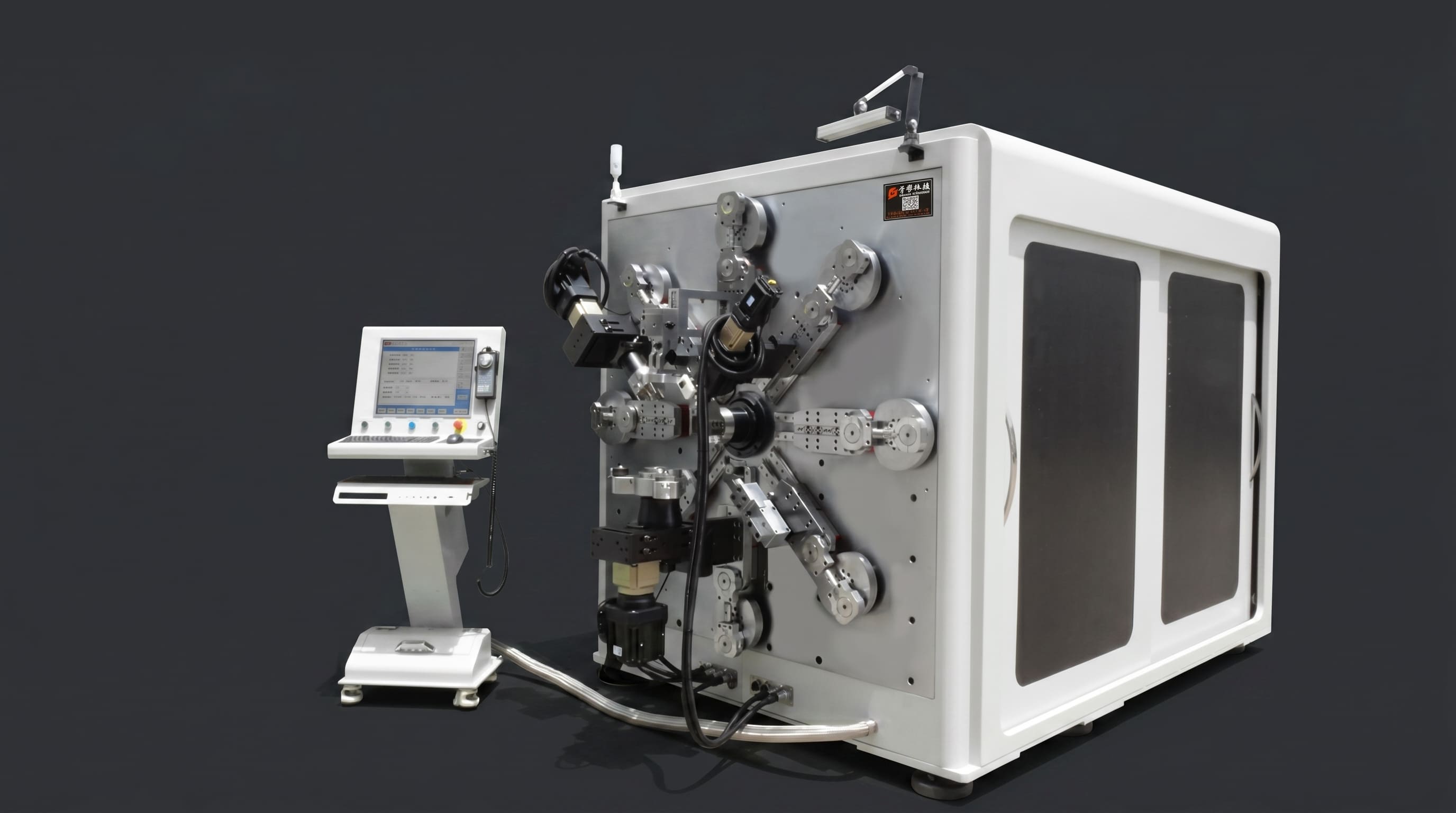
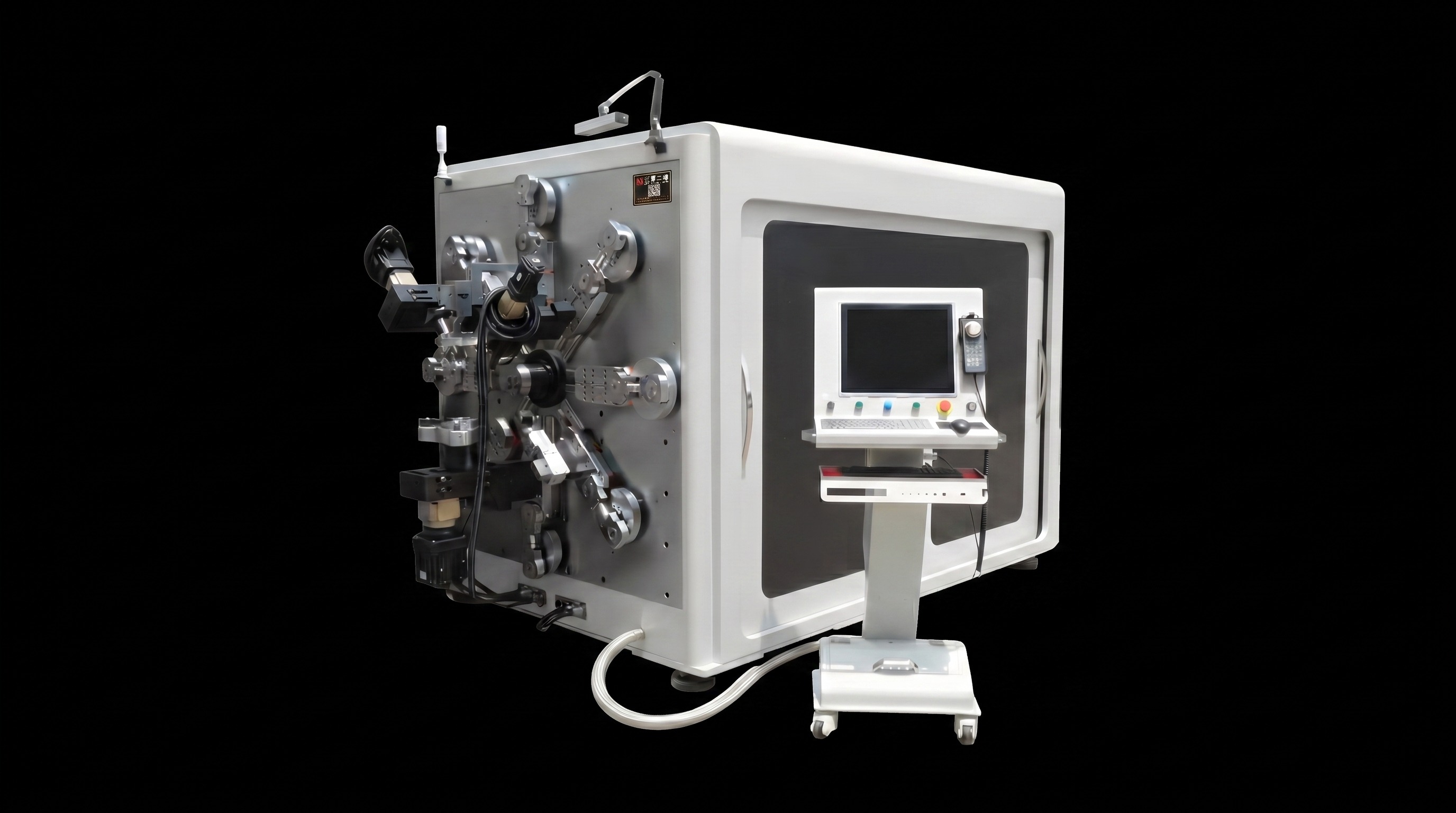
BELAN Copper‑Aluminum Busbar Bending Machine
Track‑Type Feeding: Outstanding Compatibility & Stability
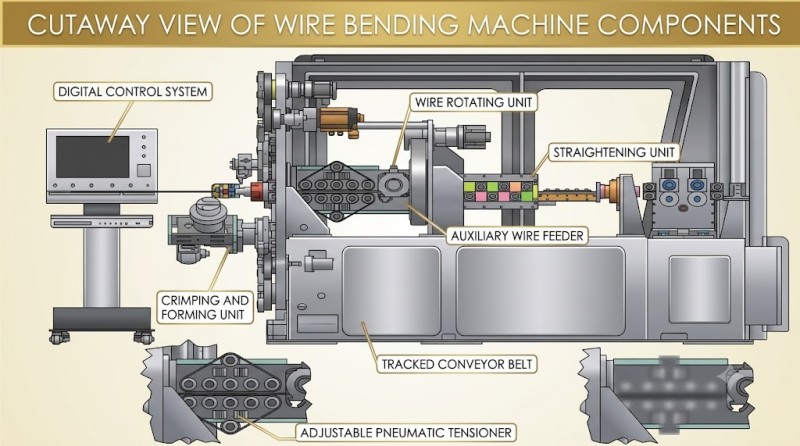
BELAN copper‑aluminum busbar bending machine is equipped with a track‑type feeding structure. Unlike single‑point or multi‑roller feeding systems, the track wraps the workpiece over a larger contact area.
It delivers strong adaptability for busbars with PA12 insulation and PVC‑mica cladding, covering a wider range of workpiece types. Its key advantages are listed below:
1. Excellent material compatibility
One feeding unit supports multiple coated workpieces, minimizing part replacements caused by material switches.
2. Larger wrapping contact area
The track holds the busbar tightly, increases friction force, reduces feeding slippage and material offset, and protects workpiece surfaces while delivering precise feeding.
3. Less frequent roller replacement
This benefit is especially valuable for factories running frequent product change‑overs. Unlike roller systems, the track‑type structure avoids time‑consuming roller‑replacement work when switching between different busbar sizes.
4. Feeding length compensation available
BELAN busbar bending machines adopt encoder wheels to feed back real‑time feeding length data. Once deviation occurs between actual and theoretical feeding values, the system automatically compensates errors to improve dimensional consistency in continuous runs.
In summary, track‑type feeding works best for manufacturers with diversified part portfolios and continuous mass‑production requirements.
8‑Set Roller Feeding: Mature Structure Yet Higher Change‑Over Cost
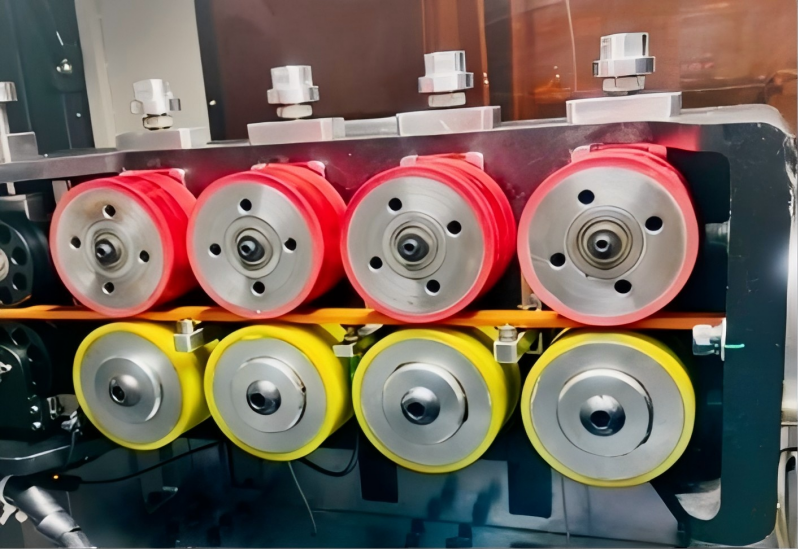
The second mainstream busbar feeding mechanism is the 8‑set roller feeding system. Multiple rollers clamp and drive the busbar forward through rotary motion. This proven structure runs stably under fixed‑spec production with suitable raw materials, while it has obvious limitations.
1. Restrictions on insulation materials
Field feedback shows 8‑set roller feeding performs well for PA12‑coated busbars, yet its adaptability drops for PVC‑mica covered parts due to different surface friction characteristics. Factories processing two or more insulation types cannot select machines merely according to bending‑axis quantity; feeding‑system compatibility must be verified first.
2. Roller replacement required for specification switches
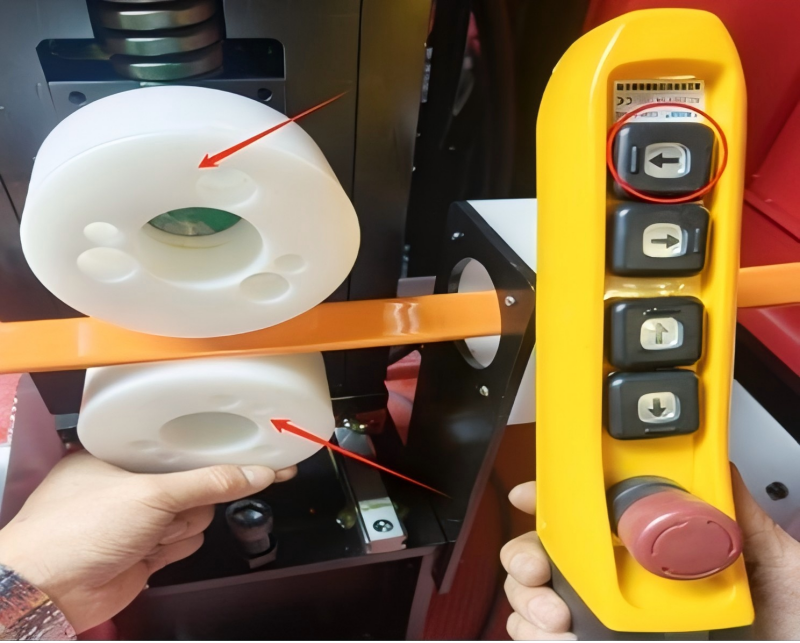
Different busbar widths and thicknesses usually demand matched feeding rollers. Changing all eight rollers for every new specification brings extra spare‑part expenses (around 4000 currency units for one full roller kit) plus manual downtime. A 20‑minute roller‑swap for each change‑over will greatly lower overall throughput for workshops with frequent model switches. Improper pressure adjustment may also result in indentations, scratches or feeding slippage, requiring rich operator experience for parameter tuning.
Comparison Diagram of Three Busbar Feeding Structures
Clamping Feeding: Suitable For Specific Materials With Limited Speed
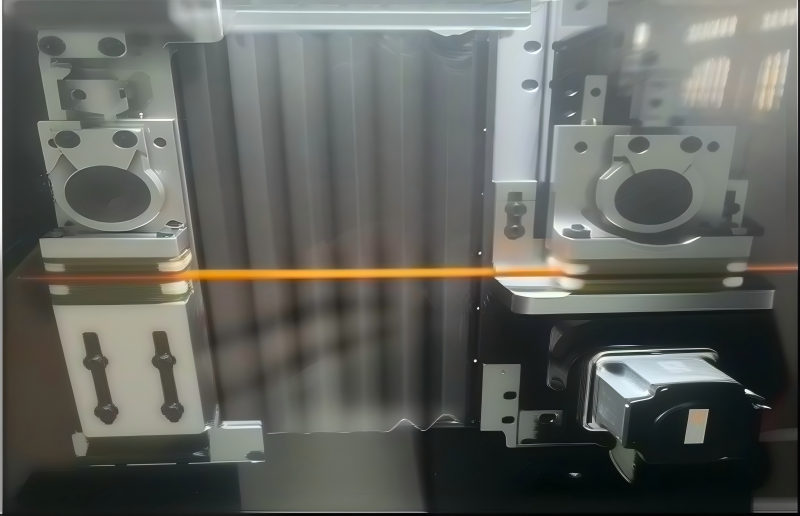
The third option, clamping feeding, pushes materials forward by reciprocating grippers. It is a viable choice for certain PVC‑mica busbars and avoids direct roller friction on workpiece surfaces under specific processes.
Nevertheless, it has clear application boundaries. For PA12‑coated copper‑aluminum busbars, its cycle‑based action (clamp‑move‑release) limits continuous high‑speed feeding performance. Its feeding speed is generally slower than non‑stop track‑type or roller systems. Projects with large‑batch, long‑workpiece and high‑cycle requirements need to carefully assess the actual production beat before finalizing this feeding scheme.
Side‑by‑Side Comparison of The Three Feeding Systems
| Comparison Item | Track‑Type Feeding | 8‑Set Roller Feeding | Clamping Feeding |
|---|---|---|---|
| PA12 Material | ✓ Fully Compatible | ✓ Suitable | △ Speed Restricted |
| PVC‑Mica Coating | ✓ Fully Compatible | △ Limited Adaptability | ✓ Suitable |
| Feeding Stability | High | Medium‑High | Medium |
| Material Contact Mode | Large‑area Wrapping | Multi‑point Contact | Gripper Clamping |
| Change‑Over Convenience | Excellent | Roller Replacement Needed | Good |
| Feeding Error Compensation | Encoder Wheel Available | Depends On Machine Spec | Depends On Machine Spec |
| Frequent‑switch Production | Highly Recommended | High Time & Spare‑part Cost | Case‑by‑case Evaluation |
| Continuous‑run Efficiency | High | Medium‑High | Relatively Low |
Note: The feeding mechanism is only one part of the complete busbar processing equipment. Purchasers also need to take busbar width, thickness, insulation type, finished‑part length, bending angle, footprint, cycle time and future product roadmap into full consideration.
Do Not Evaluate Equipment Purely On Upfront Price
For busbar fabricators, machine purchase cost does not represent total production expense. A low‑priced copper aluminum busbar bending machine may lead to higher long‑term costs caused by frequent roller replacement, spare‑part inventory, long change‑over downtime or material scrap triggered by unstable feeding.
We suggest buyers require vendors to run real‑material tests covering PA12 and PVC‑mica coated samples, and focus on these 7 evaluation indicators:
- Overall feeding stability
- Surface indentation or scratch risk on busbars
- Cumulative length error during long‑distance feeding
- Time consumed for multi‑spec change‑over
- Encoder feedback & feeding error compensation function
- Continuous production cycle to meet order throughput
- Overall feeding‑system compatibility with your workpiece portfolio
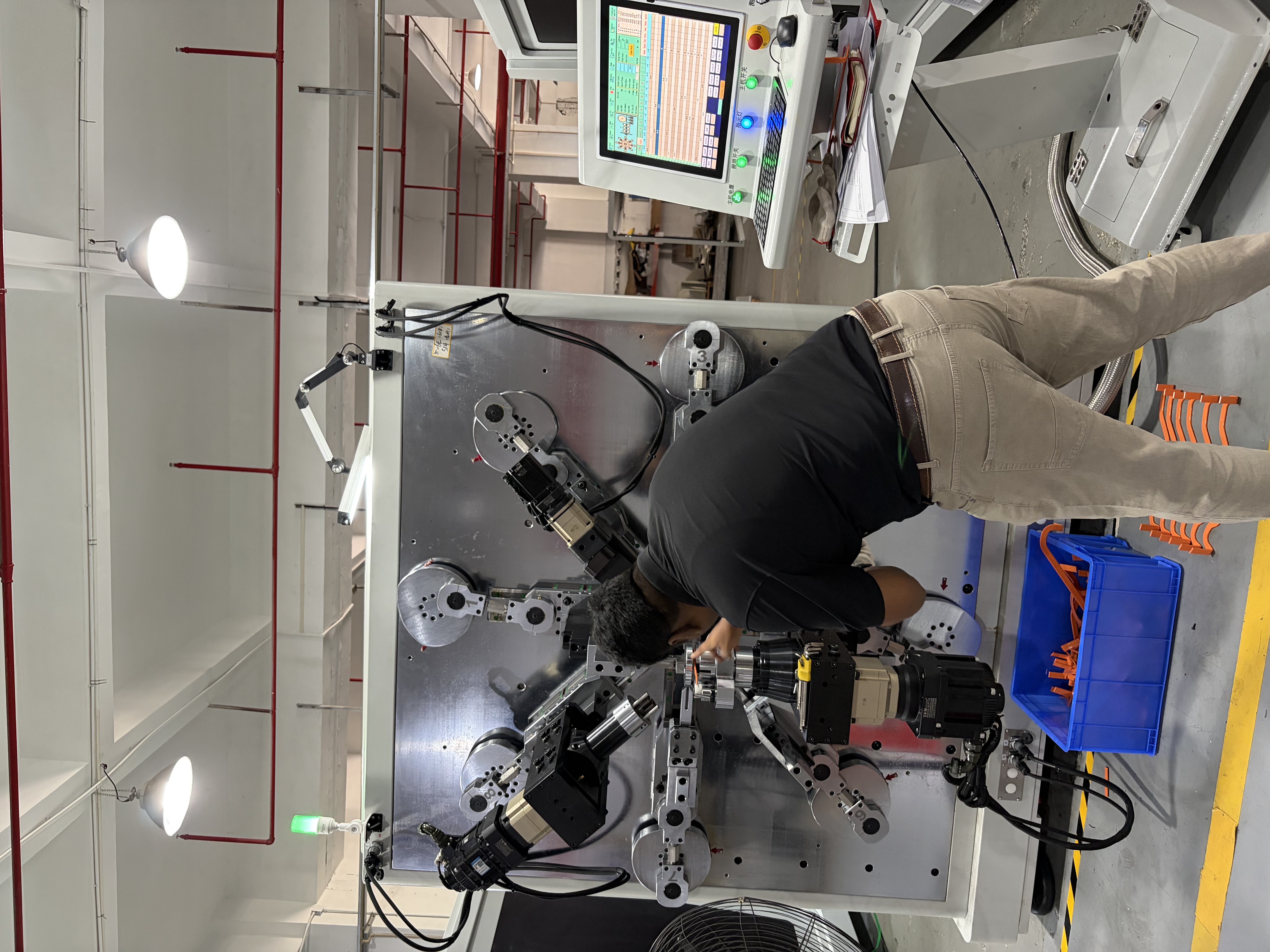
On‑site Processing Of Copper‑Aluminum Busbar Parts
Conclusion & Inquiry
None of the three busbar feeding mechanism designs is universally superior; suitability hinges on your raw‑material types, part specifications and manufacturing mode. If you process both PA12 and PVC‑mica insulated busbars with frequent specification changes and large‑volume continuous orders, the track‑type feeding system delivers obvious advantages in material compatibility, feeding stability, quick change‑over and precision compensation.
BELAN Machinery provides professional metal forming solutions. If you are sourcing a copper aluminum busbar bending machine or unsure which feeding configuration fits your PA12 / PVC‑mica busbar projects, please get in touch with our team. Send us your material specs, insulation type, part drawings and expected output, we will recommend the matched feeding structure and machine layout, and support sample testing to verify real processing performance.
For more information or to arrange a sample test, please contact our sales team.
.jpg)