
BELAN Machinery: Meet High‑Precision EV Busbar Demands With CNC Busbar Bending Machine
Industry Background
With rapid growth of new‑energy vehicles, high‑voltage wiring, battery PACK and energy‑storage industries, PVC‑mica coated copper busbars, PA12 insulated copper busbars and insulated aluminum busbars have become key materials for busbar manufacturing. Due to surface insulation layers, scratches, bulges, insulation cracking and breakdown frequently occur during bending. Therefore, feeding mode, bending accuracy and process control are critical factors determining finished‑product quality.
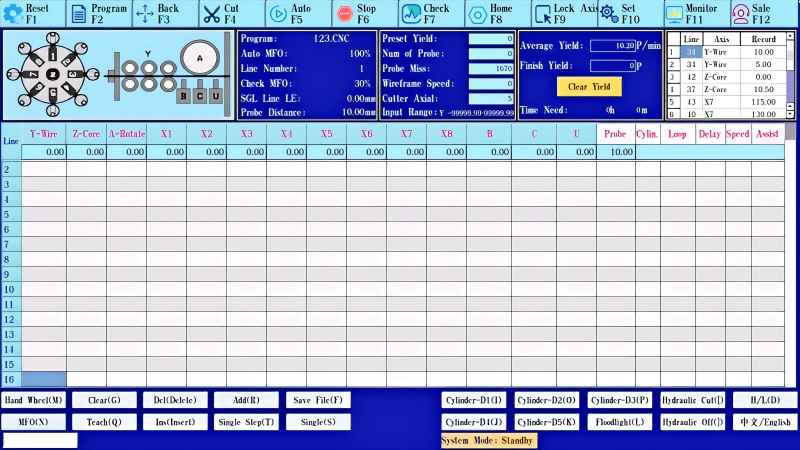
The CNC busbar bending machine delivers full‑automatic feeding, intelligent straightening, multi‑axis synchronized bending and precision cutting for closed‑loop automated workflow. It greatly boosts productivity while guaranteeing processing quality of coated insulated busbars.
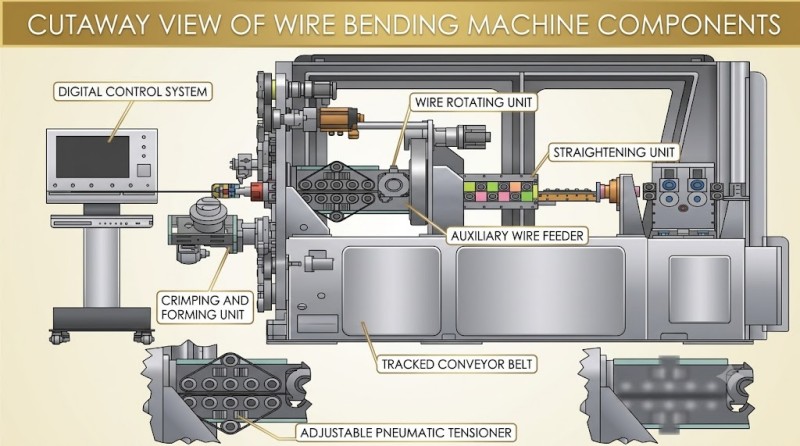
Automatic Bending Workflow for PVC‑Coated Copper Busbar
Below shows the complete automatic processing workflow of BELAN BL‑TP series CNC busbar bending machine.
| Step | Process | Description |
|---|---|---|
| Step 1 | Material Loading | Mount PVC‑coated copper or aluminum busbar onto automatic feeding rack. |
| Step 2 | Auto Feeding | Automatic feeding rack delivers material into auxiliary feeding unit. |
| Step 3 | Straightening | Auxiliary feeder sends material to straightening module to eliminate internal stress and improve processing precision. |
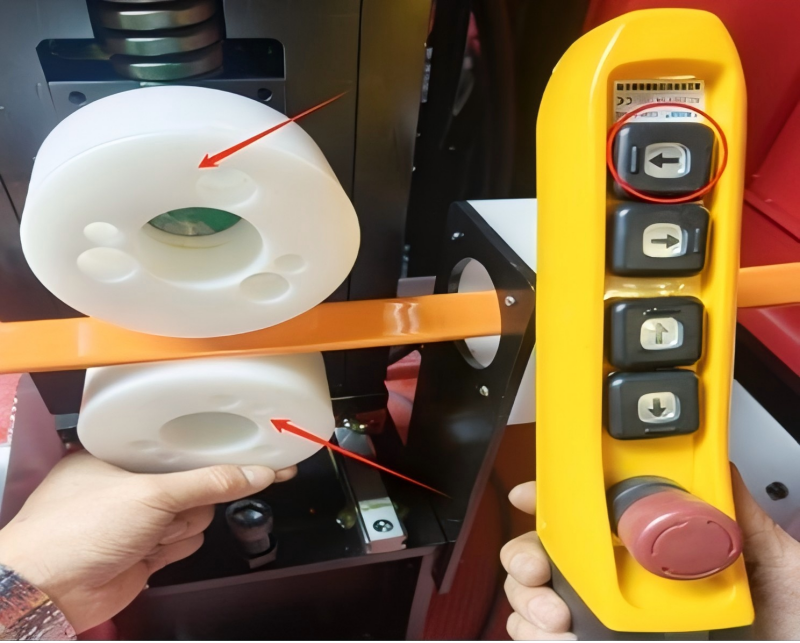
| Step 4 | Track‑Type Feeding | Track conveyor transports material steadily to bending zone and fully protects insulated surface. |
| Step 5 | Automatic Bending | Eight servo robotic arms work cooperatively to realize flat bending, vertical bending, twist bending and other complex forming. |
| Step 6 | Automatic Cutting | Finished parts are cut off automatically after bending for continuous mass‑production. |
The whole workflow runs without manual intervention, improving throughput and minimizing human‑caused dimensional errors.
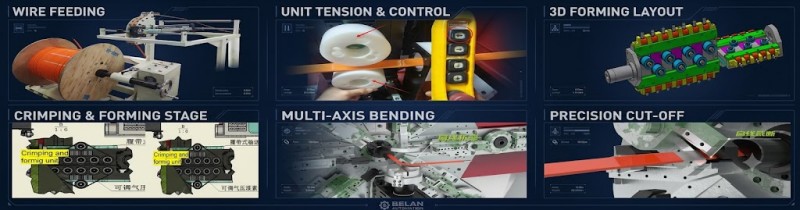
Comparative Analysis of Three Feeding Structures
Domestic CNC busbar bending machine suppliers adopt diverse feeding solutions for PVC‑mica insulated busbar processing with obvious performance gaps.
| Comparison Item | BELAN Track‑Type Feeding | Competitor 1: Roller Feeding | Competitor 2: Clamping Feeding |
|---|---|---|---|
| Feeding Mechanism | Full‑envelop track feeding | 8‑set roller feeding | Mechanical clamping feeding |
| PA12 Insulated Material | ✓ Fully compatible | ✓ Fully compatible | △ Low efficiency |
| PVC‑Mica Insulated Material | ✓ Fully compatible | × Incompatible | ✓ Fully compatible |
| Material Surface Protection | No scratching or damage | High risk of indentation & scratching | Good |
| Spare‑part Replacement | No roller replacement required | Need replace 8 feeding rollers | No replacement required |
| Product Change‑over Time | None | Approx. 20 minutes | None |
| Spare‑part Cost | N/A | Approx. 4000 USD / set | N/A |
| Feeding Stability | ★★★★★ | ★★★ | ★★★ |
| Production Efficiency | ★★★★★ | ★★★★ | ★★ |
Advantages of BELAN Track‑Type Feeding
Compared with traditional roller feeding, full‑envelop track feeding expands contact area with raw material, delivering stable feeding performance even for low‑adhesion PVC‑mica insulation materials.
No feeding‑roller replacement for different busbar specifications, cutting maintenance expense and machine downtime to boost overall equipment effectiveness. It has become a mature and high‑efficiency solution for new‑energy vehicle busbar manufacturers.
Bulge Control Standard for PVC‑Mica Insulated Busbar
Post‑bending bulge is the main processing challenge for PVC‑mica insulated busbars. BELAN BL‑TP series CNC busbar bending machine minimizes bulge coefficient by optimizing bending radius settings.
| Bending Mode | Process Standard |
|---|---|
| Flat Bending | Inner R ≥ 1 × material width; single‑side bulge ≤1.6 mm (industry max bilateral limit ≤4 mm) |
| Vertical Bending | Inner R ≥ 1 × material thickness; single‑side bulge ≤1.5 mm (industry max bilateral limit ≤4 mm) |
Proper R‑radius setting reduces bulge risk and prevents tearing or electrical breakdown of PVC jacket and mica insulating layer.
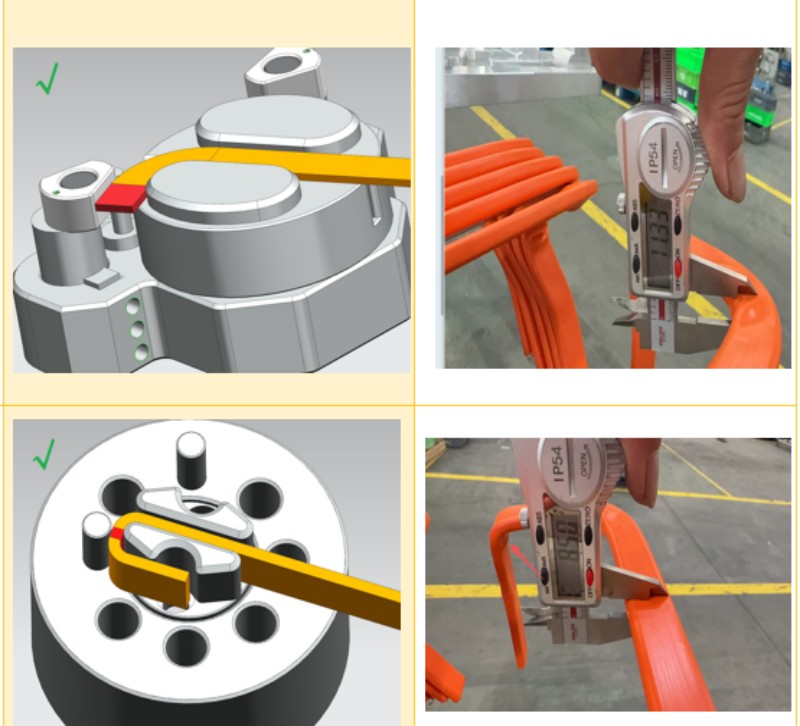
Optimized Process for Busbar Bending Bulge Treatment
To further upgrade finished‑part quality, adopt the following workflow for bulge improvement:
| Step | Treatment Solution | Function |
|---|---|---|
| Step 1 | Adopt track‑type feeding | Full‑envelop feeding avoids surface scratching and improves feeding stability. |
| Step 2 | High‑frequency pre‑heating | Install high‑frequency heater at material outlet. Bend after heating to reduce bulge & deformation. |
| Step 3 | Clamping for flat bending | Fix bulge zone with stainless‑steel clips and heavy‑duty clamps. |
| Step 4 | Tunnel furnace heat treatment | Heat inside 100℃‑130℃ tunnel furnace for 1‑2 min, then air‑cool to flatten bulged area. |
This workflow optimizes surface appearance and enhances reliability of insulation layers.
Core Advantages of BL‑TP‑45‑6EL CNC Busbar Bending Machine
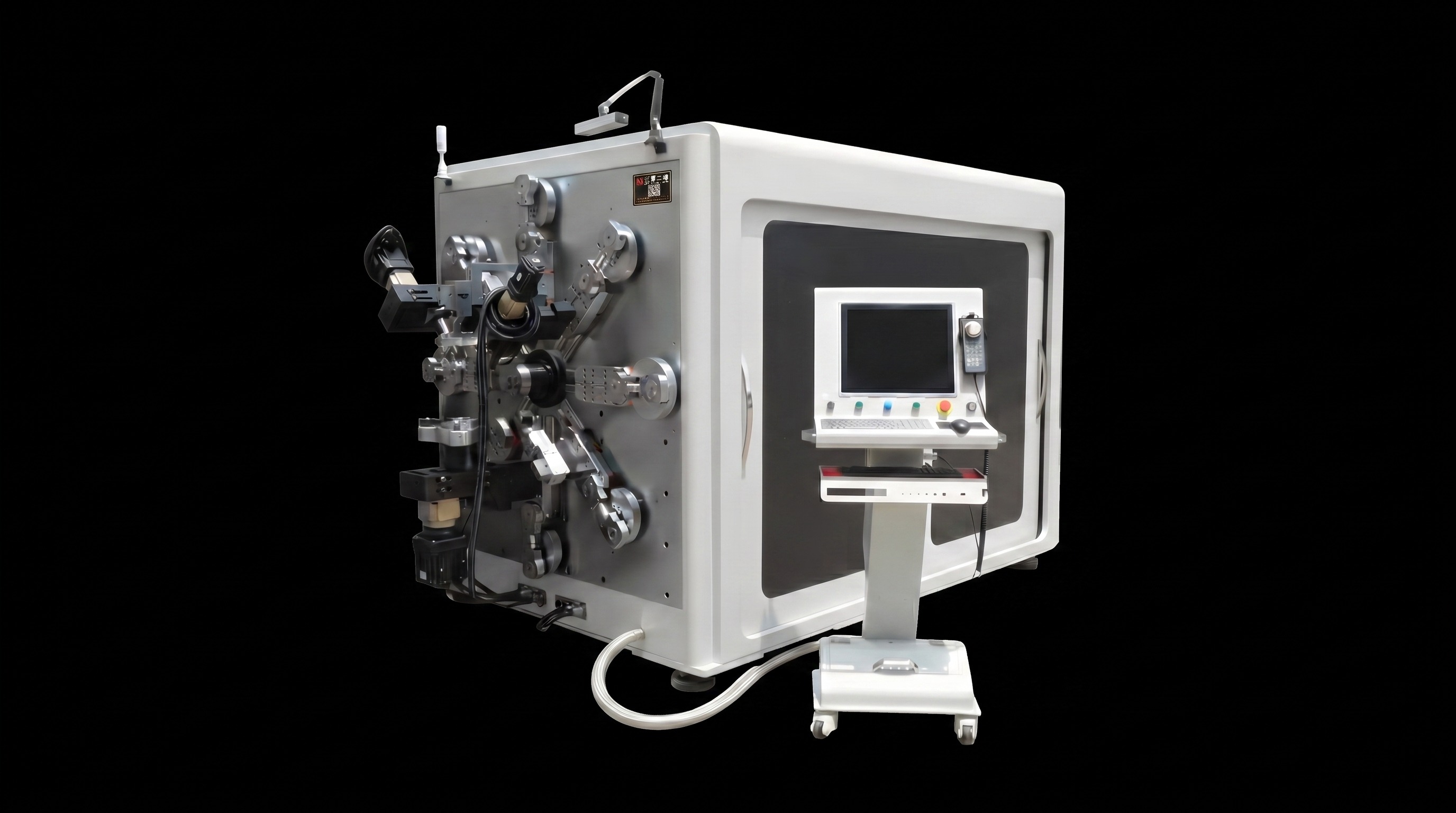
Model BL‑TP‑45‑6EL is specially engineered for new‑energy vehicle busbar production. It supports PA12 coated copper busbars, PVC‑mica copper busbars, insulated aluminum busbars and multiple other materials.
Equipped with multi‑axis servo control system, high‑precision straightening unit, track‑type feeding and 8‑arm synchronized bending technology, it realizes one‑step forming for complex 3D busbar parts.
- Track‑type feeding without feeding‑roller replacement
- Integrated workflow: automatic straightening, feeding, bending & cutting
- Wide compatibility for diversified insulated busbar materials
- Multi‑axis synchronous control for high‑precision complex spatial bending
- Supports flat bending, vertical bending and continuous multi‑angle bending
- Effectively lower risks of bulge, scratching and insulation damage
- Ideal for new‑energy vehicles, battery PACK, energy‑storage systems and high‑voltage wiring industries
Conclusion
Driven by new‑energy vehicle, energy‑storage and high‑voltage wiring sectors, busbar manufacturing moves toward higher precision, productivity and intelligence. Every processing link including feeding mode, bending accuracy and insulation protection directly influences product quality and production efficiency.
Track‑type feeding mechanism, high‑precision multi‑axis control and mature bulge‑optimizing process improve part consistency while cutting maintenance and manufacturing costs. Selecting stable, highly‑compatible CNC busbar bending machine becomes critical step for manufacturers pursuing intelligent manufacturing.
BELAN Machinery delivers professional metal wire‑forming solutions for automotive industry. If you seek automated processing solutions for PVC‑mica coated copper busbars, PA12 insulated copper busbars and insulated aluminum busbars, please contact our team for detailed specifications, sample‑processing videos and customized quotation for BL‑TP‑series machines to achieve efficient, stable and precise busbar production.
.jpg)