
BELAN Automation: Aluminum Bar Straightening Machine Case — Insights Behind LEONI Application and MANDO’s Second‑Unit Order
In new‑energy vehicle component manufacturing, real‑world mass‑production performance often carries more weight than equipment specifications. For EV conductive aluminum bar processing, manufacturers care not only about straightening and cutting capability, but also long‑term running stability, product consistency, quality control, production tact time and traceability. BELAN’s automated new‑energy aluminum bar processing solution has been deployed for LEONI projects. Meanwhile, MANDO Electronics & Electrical Co., Ltd. has secured its second‑unit order after project bidding. Real‑world feedback from first‑time to repeat orders helps us re‑evaluate the true value of aluminum bar straightening machine from on‑site production perspective.
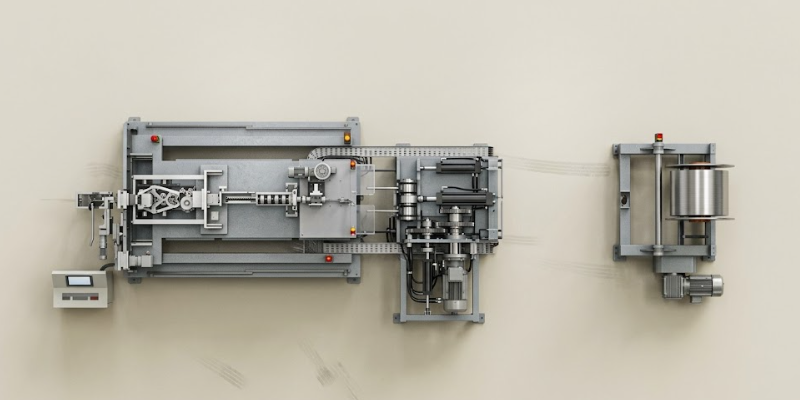
Shifts In New Energy Aluminum Bar Processing
Traditionally, aluminum bar processing focused largely on individual processes: straightening, cutting and simple length control. As new‑energy vehicle production scales up, manufacturer requirements for processing equipment are evolving.
A key shift: from “can the machine process parts?” toward “can the equipment integrate stably into production systems?” This means equipment must deliver basic processing performance plus continuous‑run capacity, dimensional consistency, in‑line quality inspection, product identification, automatic defective‑part handling, fast product changeover, and compatibility with enterprise quality management systems. Modern aluminum bar lines demand multi‑process collaboration instead of simple single‑function machinery.
LEONI Project: From Equipment Delivery To Live Production
LEONI is a global key supplier of automotive wiring harnesses and electrical systems, with strict requirements for equipment stability and production adaptability. BELAN automated aluminum bar processing solution has been put into practical production for LEONI‑related projects.
For equipment vendors, real factory conditions differ greatly from laboratory environments. Production‑site equipment must cope with continuous operation, frequent product changeovers and rigorous quality control. A mature aluminum bar straightening machine solution cannot be judged only by mechanical structure or isolated parameters. It must sustain stable processing and match customers’ existing production management workflows.
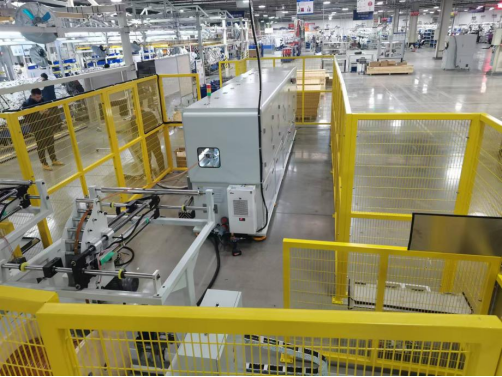
Why MANDO Selected The Same Solution Again
Repeat‑order feedback delivers valuable business insights. MANDO won the bidding and placed its second‑unit equipment order. This shows the solution is no longer a one‑off trial, but part of the customer’s long‑term equipment roadmap. In B2B industrial equipment business, repeat procurement depends on comprehensive evaluation of multiple factors:
1. Compatibility with real‑world products: New‑energy aluminum bars are rarely fully standardized. Material specs, lengths and processing requirements vary project‑to‑project. Equipment solutions need sufficient adaptability to cover diverse production demands.
2. Stable equipment performance: Industrial machinery serves continuous production. Frequent downtime, difficult adjustment or unstable output will raise overall production costs even if initial purchase price is competitive. Long‑term operational reliability is critical for repeat buying.
3. High‑level automation to reduce manual intervention: Modern new‑energy component manufacturing minimizes human involvement. From raw‑material feeding, length control, quality inspection, QR‑code marking to finished‑part sorting, higher automation stabilizes production tact time, which is a major driver for adopting automated aluminum bar processing systems.
Value Shift: From Straightening To Full‑Process Quality Control
Many buyers searching for an aluminum bar straightening machine first focus only on straightening performance. Yet in real‑life projects, straightening is merely one production step. Final product quality comes from multi‑link collaboration.
Straightening quality governs feeding stability; feeding accuracy determines finished‑part length; processed parts require quality judgment; QR‑code marking enables identification and traceability. The value of this project lies not in adding isolated functions, but in linking individual stages so raw aluminum bars go through a complete automated workflow inside one machine.
Why Vision Inspection Matters For New‑Energy Components
New‑energy vehicle parts demand high consistency. Conventional manual inspection works for limited volumes, but suffers from operator experience, fatigue and inconsistent judgment under high throughput. Integrating vision inspection into automation brings quality judgment onto the production line.
This solution uses vision systems to measure product data. When anomalies are detected, the system triggers alarms and supports automatic sorting of good and defective workpieces. Quality control evolves from post‑production sampling toward real‑time in‑line inspection.
Laser QR‑Code Marking For Aluminum Bar Traceability
Product traceability is an often‑overlooked requirement for modern EV components. Traditional workflows rely on manual notes, adhesive labels or batch management, which carry information‑loss risks.
Our system laser‑engraves QR‑codes directly onto aluminum bar surfaces. QR‑codes can link part numbers, batch IDs and other project‑specific data. Beyond simple marking, this attaches product identity throughout downstream manufacturing and provides foundations for quality management and traceability.
What Does The Second‑Unit Order Demonstrate?
A single‑unit sale cannot fully validate long‑term solution fitness. MANDO’s second‑unit order proves that after field deployment and evaluation, the customer chooses to scale up. This carries practical meaning for industrial automation suppliers.
As the new‑energy sector expands capacity, buyers compare far more than price and datasheet parameters. Decision‑making follows real‑world cases → on‑site performance → service capability → scalability. Repeat customer orders serve as credible metrics for solution maturity.
How To Evaluate A Worthwhile New‑Energy Aluminum Bar Solution
When building new‑energy aluminum bar production lines, avoid comparing only equipment prices. Focus on whether the full solution solves real‑world manufacturing pain points. Evaluate along these dimensions:
Processing capability: Verify material range, working length, straightening tolerance and cutting accuracy match your actual parts.
Automation level: Check manual intervention required for feeding, processing, inspection, marking and unloading.
Quality control: Confirm in‑line vision inspection and defective‑part handling mechanisms.
Product traceability: Confirm QR‑code / batch‑number functions satisfy your quality‑system requirements.
Proven project experience: Prioritize machinery with real new‑energy aluminum‑bar mass‑production records, not only lab‑test samples. For large automotive‑component enterprises, practical case references outweigh datasheet specs.
From Single Projects To Broader New‑Energy Aluminum Bar Applications
LEONI’s on‑site deployment and MANDO’s second‑unit order reflect market shift: buyers demand complete production solutions instead of isolated machinery. Future aluminum‑bar manufacturing will center on efficiency, precision, inspection, traceability and full‑line automation. For manufacturers searching for an aluminum bar straightening machine, proven field cases are vital indicators of equipment maturity.
BELAN delivers professional automotive wire‑forming and aluminum bar automation solutions. If you are planning EV conductive aluminum bar production lines or need solutions covering straightening, cutting, vision inspection and laser marking, please contact us. Submit your drawings, material specs, length range and target capacity. BELAN technical team will assess your process and recommend suitable aluminum bar straightening machine automation solutions.