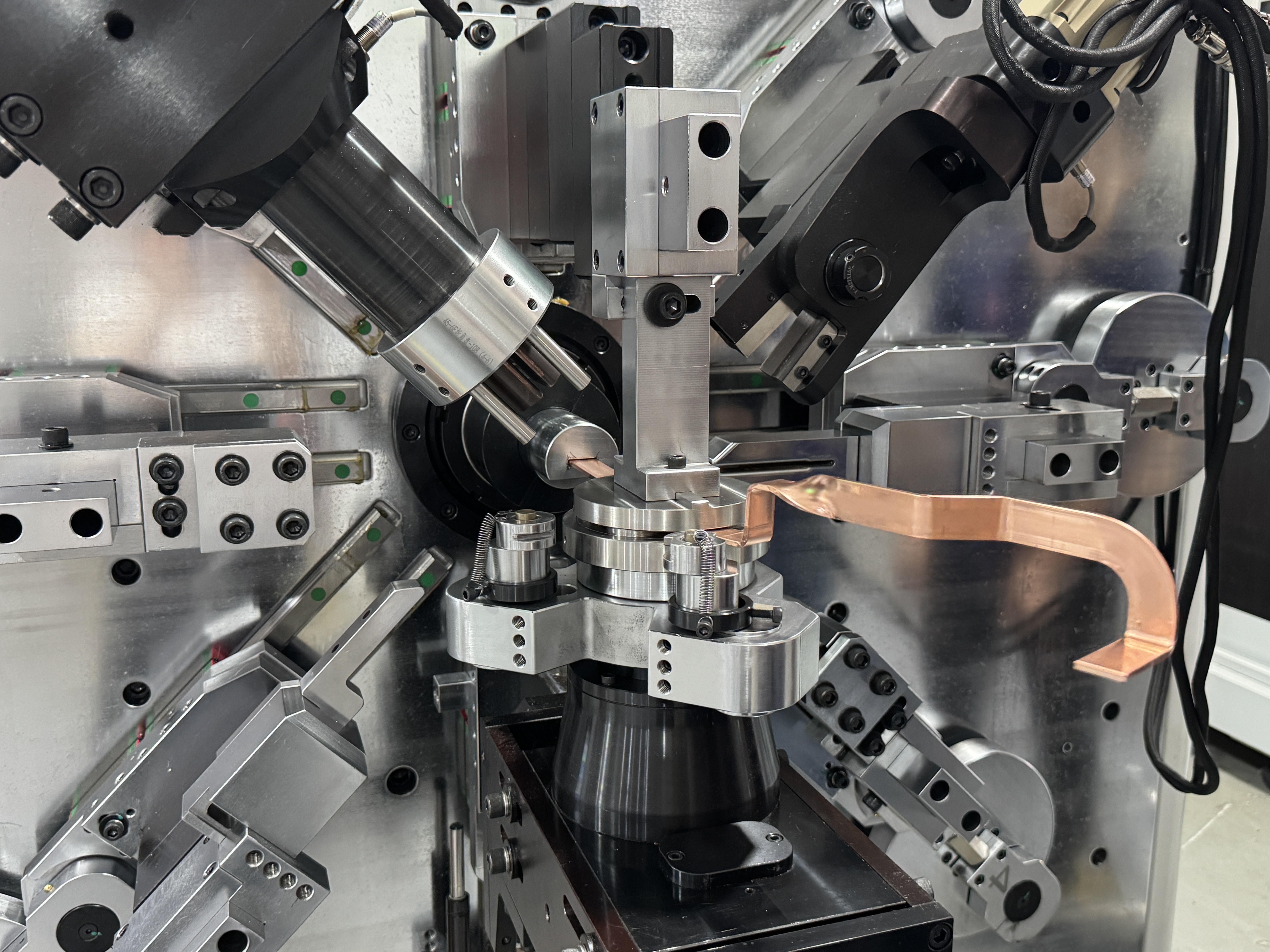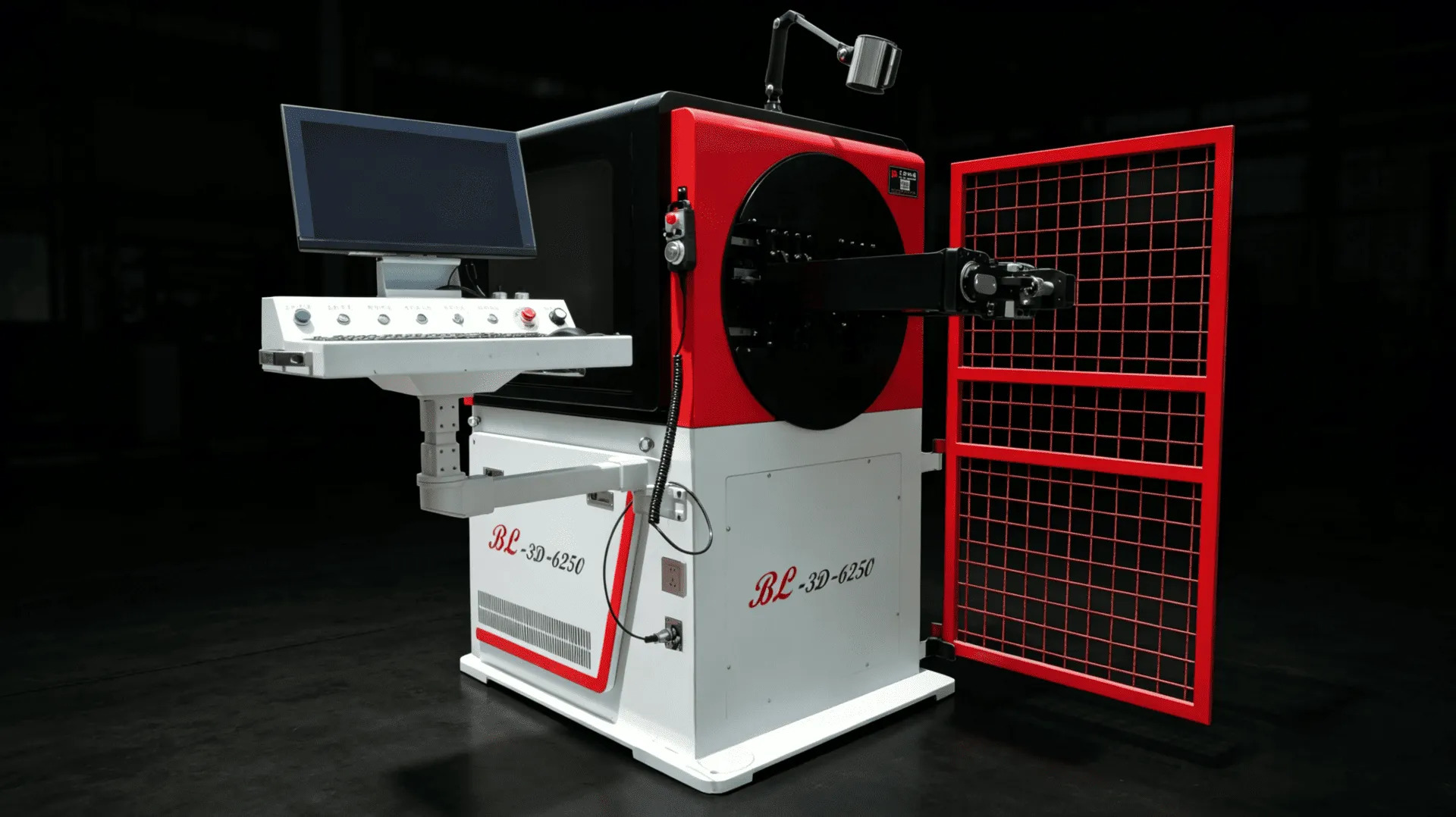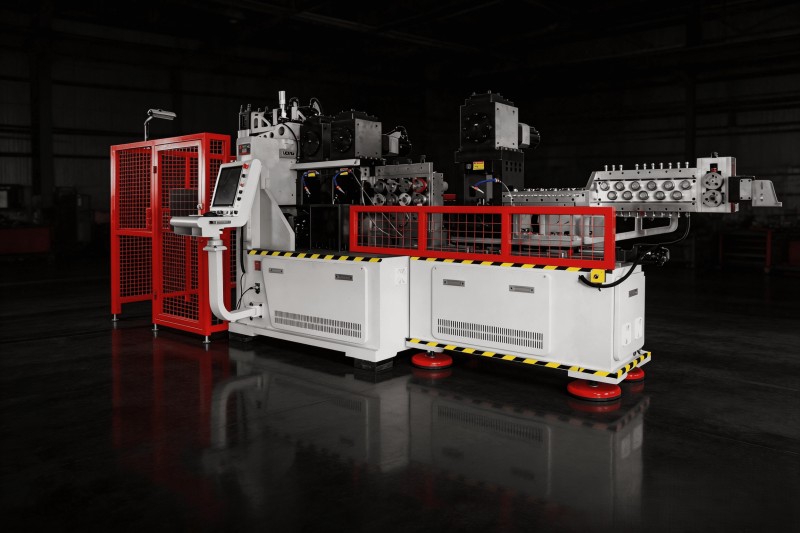

A wiper arm forming machine is best evaluated as part of a production workflow. When an arm requires punching, local pressing, marking and bending in several directions, the factory must organize workpiece transfers and intermediate storage as well as the machining operations themselves. The BELAN series brings several functions together, providing a basis for reorganizing these steps through process integration.
Identify Transfers in the Existing Workflow
Include Waiting, Handling and Positioning
When separate machines perform different operations, workpieces often need to be moved, placed again and repositioned. Whether these transfers cause an efficiency loss should be assessed using workshop records. For example, record how long a batch waits after one operation before it can enter the next.
Map the current process and record the quantity of workpieces, people involved and time required at each handover. This helps distinguish a machine bottleneck from a production organization issue. The speed of one machine action alone cannot explain the completion time of an entire order.
Keep Intermediate Workpieces Clearly Identified
Parts waiting for punching, parts that have been punched and parts that have been bent may all be present on the shop floor. Similar containers or missing status labels create extra checks for operators. Where several product versions are in production, distinguish drawing revisions and the tooling assigned to each version.
During the review of a wiper arm forming machine, specify which handovers the proposed configuration is expected to remove. Observe the expected changes in handling, the quantity of parts awaiting processing and repeated positioning during the trial run.
Select Functions by Product Requirements
Punching, Embossing and Marking Need Different Checks
The BELAN series lists punching, embossing raised features, marking, bending and pre-compression cutting functions. Confirm each operation against the product drawing. Punching, raised features and markings perform different tasks, so they should not share one acceptance method simply because they are all local forming operations.
For punching and embossing, define hole shape and position, the contour of each raised feature and the required dimensions. For markings, confirm the content, orientation and legibility. Providing this information early helps the technical team evaluate the arrangement of modules and tooling.
Confirm Optional Functions in the Configuration List
Optional flash trimming is listed for this series. Confirm the areas to be treated, the expected result and whether the function is included in the current quotation. An option mentioned in a series description should not be treated as standard equipment on every machine.
The operations included in the final machine must follow the technical solution confirmed for the project. If the part also requires surface treatment, assembly or other inspection, retain those steps in the workflow. An integrated forming machine does not automatically complete every manufacturing task.
Plan Quality Checks Around Critical Features
Set Inspection Points According to Risk
Process integration still requires quality control. Place inspection points where a change could affect a critical feature. After adjusting the punching tooling, for example, check the hole positions. After modifying a bending operation, verify the finished part's spatial geometry.
For a multi-operation automotive arm production process, first-piece approval can cover the complete part while retaining the necessary process records. This allows the team to assess the final result and trace an abnormality back to a specific adjustment.
Separate Part Marking from Automatic Traceability
Pressing a mark onto a workpiece can help identify the physical part. Linking that mark to a material batch, production time or inspection result requires appropriate recording rules or system support.
Confirm equipment functions and management procedures separately. Online inspection, automatic sorting and data interfaces that are not explicitly listed should not be assumed to be included in the machine configuration.
Compare Results Across a Complete Batch
Measure from Input to Accepted Output
To assess a wiper arm forming machine, use the same part and compare complete batches under similar conditions. Record total batch completion time, work in progress and the time operators spend participating in production. Comparing only one machine action can miss changes at the handover stages.
Also record the time required for material changes, tooling adjustments and first-piece approval. These activities affect scheduling for orders with several product types. Their duration should not be estimated entirely from uninterrupted running conditions.
Turn Trial Results into Work Instructions
Once the process has been validated, document the operation sequence, inspection points, material change procedure and method for recording abnormalities. The value of an integrated machine depends on consistent operating and management practices. The number of functions alone is not enough to judge its production benefit.
Discuss the Scope of Your Integrated Process
Contact BELAN with your product drawings and existing process sequence to evaluate the integration scope, optional functions and trial production arrangements. A clearly defined plan helps establish which operations belong in the wiper arm forming machine and which steps remain elsewhere in the factory.
BELAN Machinery, your expert provider of automotive wire forming solutions.
Explore Related Wiper Arm Forming Equipment
BL-YG-12A: A Product Reference for Your Discussion
For a related equipment reference, explore the BELAN BL-YG-12A. The integration scope, tooling and optional functions must be confirmed for your project.
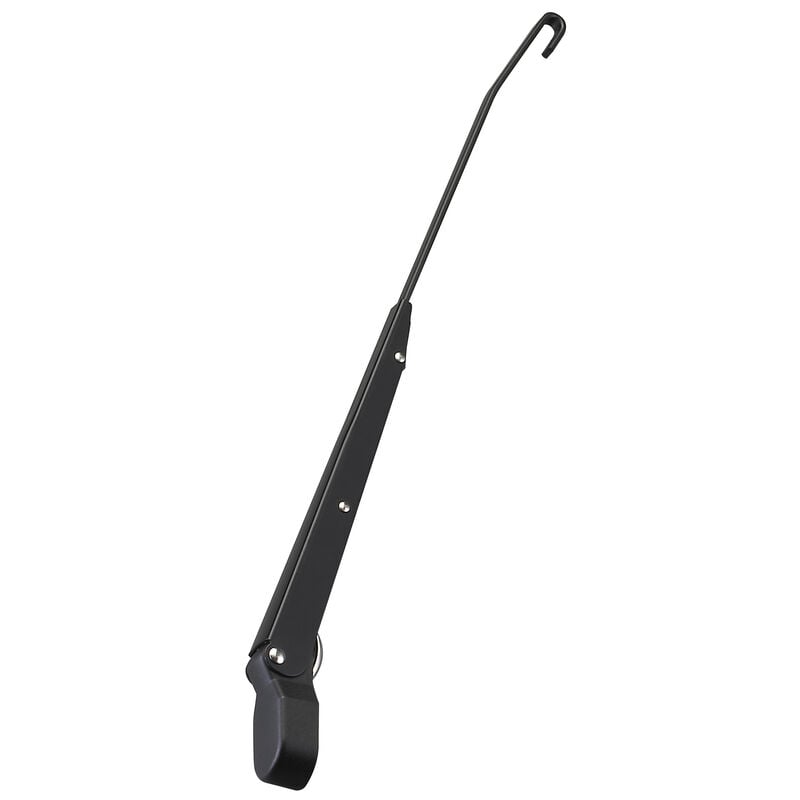
Automotive wiper arm sample — application reference.