
Indian Automotive Bus‑Bar Client Receives Factory‑Based Operation Training: BL‑TP‑45‑6E Bus‑Bar Bending Machine Application Case
Project Overview
A technical team from a well‑known Indian manufacturer of automotive conductive bus‑bar systems visited BELAN Automation factory. Targeting local production demands, technicians learnt full‑set skills including bus‑bar bending machine operation, CNC programming, workpiece commissioning and routine equipment maintenance.
According to client‑specific workpiece features, bus‑bar dimensions and forming‑travel parameters, our engineering team configured the BL‑TP‑45‑6E bus‑bar bending machine and launched a customized 12‑day systematic training curriculum.
Instead of simple machine demonstration, the staged training covers safety codes, raw‑material installation, cutter mounting, bar‑straightening, CNC editing, workpiece debugging, independent bulk production and equipment upkeep, helping Indian operators build complete operational competency for the bus‑bar bending machine.
Why Automotive Bus‑Bar System Needs A Professional Bus‑Bar Bending Machine
Automotive conductive bus‑bars come in diversified structures and complex forming standards. Compared with manual processing, the CNC‑controlled bus‑bar bending machine delivers standardized fabrication workflows and flexible program adjustment for different workpieces.
Manufacturers shall take these key factors into consideration during equipment selection:
- Thickness and width range of processed copper bars
- Bending structure and forming travel of finished parts
- Action control mode for bending movement
- Editing and modification access for CNC programs
- Multi‑axis synchronous processing performance
- Fast switching efficiency between different products
- Operational stability for long‑time mass‑production
- Skill threshold for on‑site operators
Therefore, the Indian purchaser aimed to acquire a complete fabrication solution rather than merely purchasing a standalone bus‑bar bending machine. Custom‑tailored on‑site training enables local technicians to master machine operation and parameter debugging.
Main Technical Parameters Of BL‑TP‑45‑6E Bus‑Bar Bending Machine
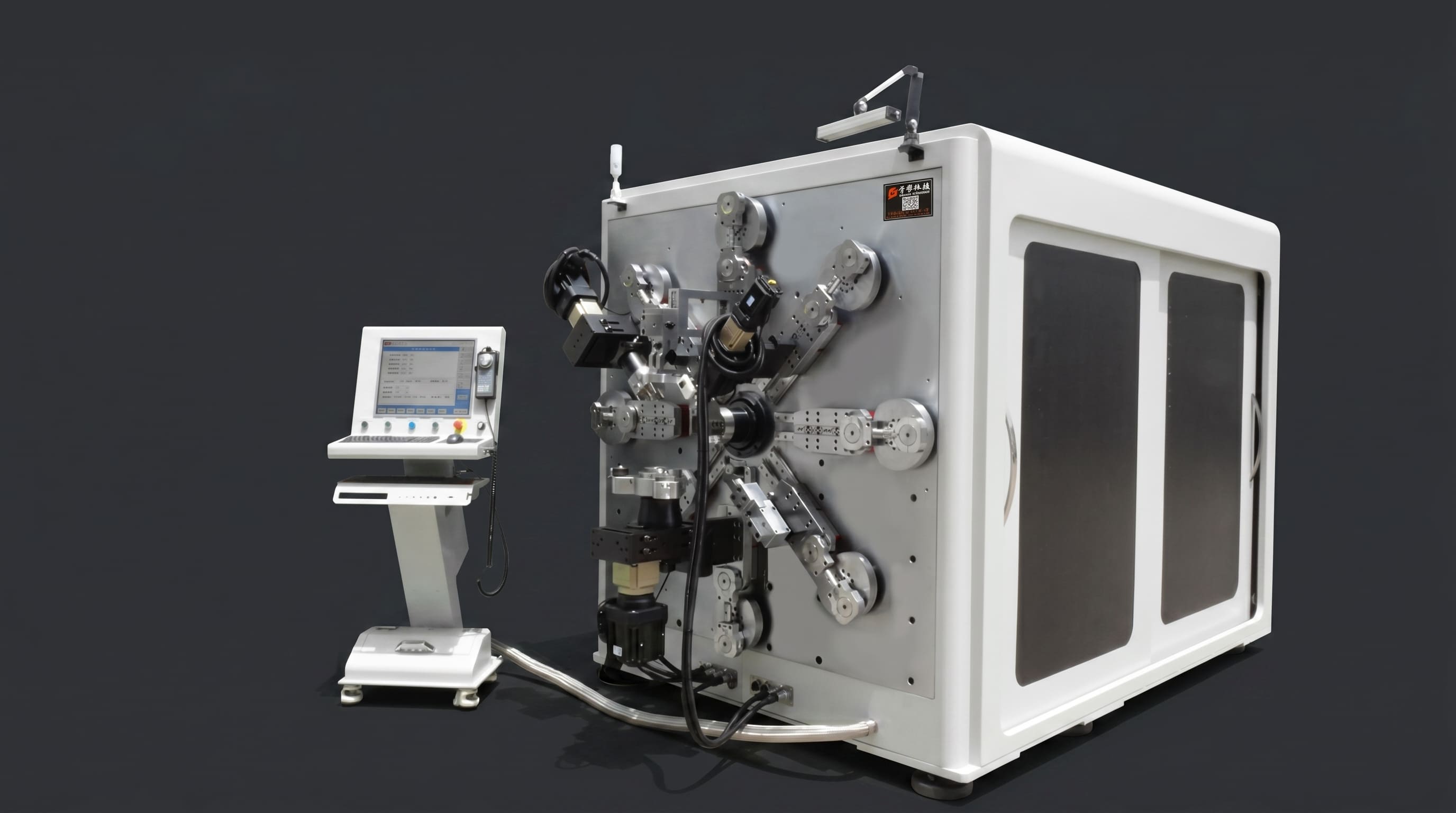
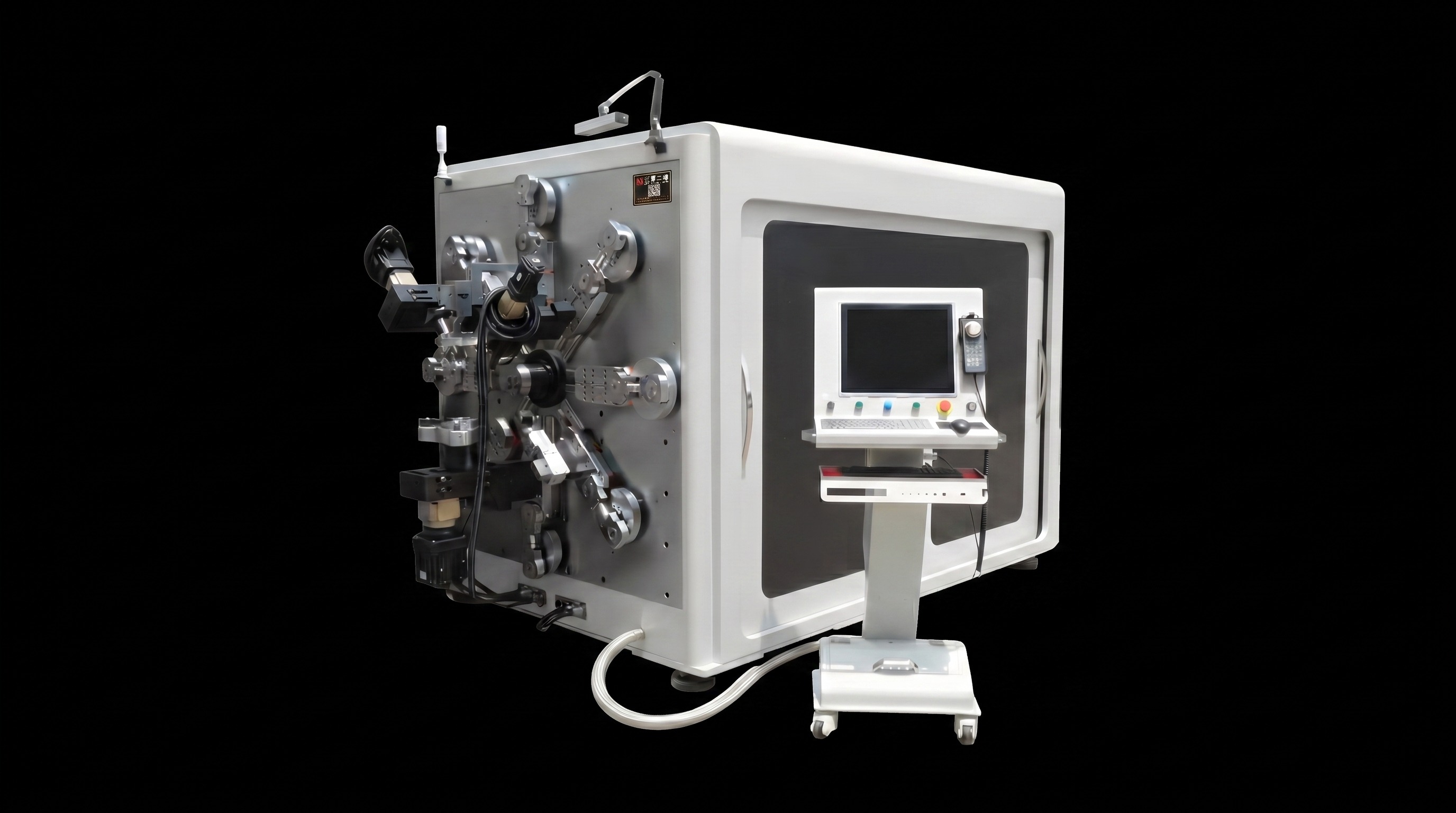
The BL‑TP‑45‑6E bus‑bar bending machine is designed for automated forming of copper and aluminium conductive bars. Its machining range covers workpiece thickness from 1‑6 mm and width from 10‑45 mm, supported by a 13‑axis synchronous control system, perfectly matched for automotive bus‑bar production.
| Parameter Item | BL‑TP‑45‑6E Specification |
| Processing Thickness Range | 1~6 mm |
| Processing Width Range | 10~45 mm |
| Controlled‑axis Quantity | 13‑axis |
| Total Servo Power | 37.7 kW |
| Feeding Servo Motor | 4.5 kW |
| Rotating‑head Servo Motor | 2.7 kW |
| Winding Servo Motor | 2.0 kW × 1;4.5 kW × 1 |
| Manipulator Arm Servo Motor | 2.0 kW × 6;5.5 kW × 2 |
| Cutting Servo Motor | 1.0 kW |
| Working Voltage | Three‑phase 380 V(±20 V) |
| Main‑frame Net Weight | 6000 kg |
| Material‑rack Load Capacity | 1000 kg |
| Machine Dimension (L×W×H) | 2800 × 2200 × 2100 mm |
| Floor Space Requirement | 6800 × 3500 mm |
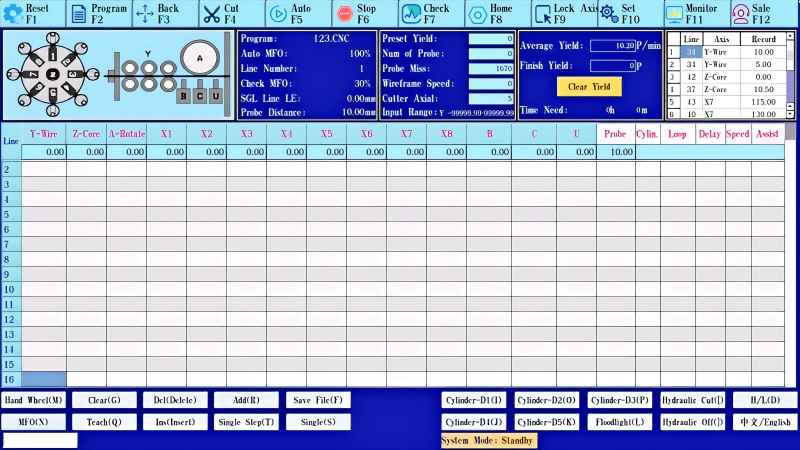
Multiple servo‑driven axes execute coordinated forming movements. Operators can create exclusive CNC programs according to automotive bus‑bar drawings and manufacturing procedures. For overseas buyers, hands‑on training determines the long‑term production performance of the bus‑bar bending machine.
12‑Day Bus‑Bar Bending Machine Training: Basic Operation To Independent Mass‑Production
The whole training is separated into four progressive stages: foundational knowledge, workpiece commissioning, standalone operation and malfunction troubleshooting. Trainees practice real automotive conductive bus‑bar workpieces throughout the course.
Day 1: Site Connection And Safety Operation Codes
Day‑one lessons cover installation environment requirements, safety specifications and machine structure introduction. BELAN engineers explain core assemblies, operational logic, startup‑shutdown workflow, emergency‑stop settings, safety zones and pre‑shift inspection check‑lists for the BL‑TP‑45‑6E bus‑bar bending machine. Standardized safe‑operation habits lay the foundation for subsequent processing workflows.
Day 2: Raw‑material, Cutter Installation And Bar‑straightening
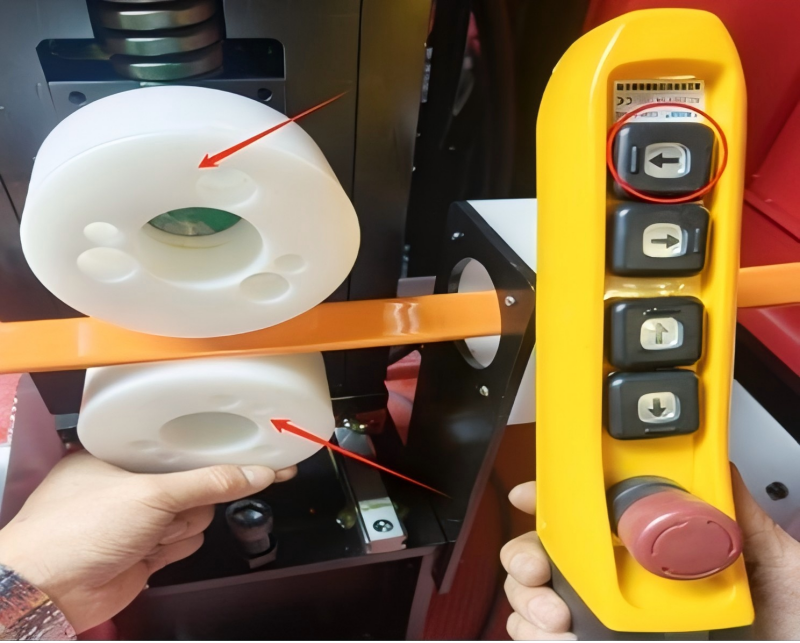
Trainees begin hands‑on practice on workpiece positioning, copper‑bar straightening, cutter mounting and pre‑production inspection. Engineers stress that mounting precision directly decides finished‑product quality. Indian technicians master the complete pre‑processing preparation workflow for the bus‑bar bending machine.
Day 3‑6: Automotive Bus‑Bar Commissioning And CNC Programming
This core training phase adopts actual client‑supplied automotive bus‑bar samples rather than standard test pieces. Operators learn program creation, parameter configuration, processing‑step adjustment, bending debugging, dimension inspection, result analysis and program optimization on the CNC control panel. Trainees build logical connections between engineering drawings, CNC codes, machine movement and finished workpieces.
Day 7‑10: Independent‑operation Skill Training
Engineers reduce hands‑on guidance and let Indian technicians finish the full‑cycle workflow independently: material preparation, installation, cutter setup, straightening, program loading, parameter fine‑tuning, fabrication and finished‑product inspection. Operators are encouraged to diagnose dimensional deviations and modify parameters before receiving instructor support. The training helps technicians gain the ability to switch and debug new‑style automotive bus‑bar parts.
Day 11‑12;">Malfunction Troubleshooting And Routine Equipment Maintenance
The final‑stage curriculum covers daily inspection, cutter wear check, feeding‑system maintenance and running‑status observation. Engineers share real‑world troubleshooting cases. For example, dimension errors can be caused by raw‑material deformation, misaligned cutters, incorrect parameters or servo‑system abnormalities. Proper maintenance greatly cuts down unexpected downtime of the bus‑bar bending machine.
Training Outcomes: Independent Production Competency Acquired
After the 12‑day systematic training, Indian‑side technicians master these core capabilities:
- Understand the mechanical structure and working principle of the bus‑bar bending machine
- Abide by standardized safe‑operation specifications
- Edit, modify and optimize CNC control programs
- Complete raw‑material clamping, cutter installation and bar‑straightening
- Carry out customized debugging for automotive bus‑bar workpieces
- Run standalone manufacturing and produce qualified conductive bars
- Execute daily maintenance and resolve common equipment faults
BELAN Delivers Complete Production Capacity Instead Of Single Equipment Supply
Overseas B2B clients gain machine value only after smooth on‑site commissioning. BELAN Automation provides full‑range technical support covering sample testing, process debugging, CNC guidance, hands‑on training and long‑term after‑sales service for every bus‑bar bending machine order. The 12‑day on‑site course empowers Indian technicians to deploy the BL‑TP‑45‑6E device into formal automotive conductive‑bar production.
Get Your Custom‑made Bus‑Bar Bending Machine Solution
If your factory manufactures automotive conductive bus‑bars, new‑energy‑vehicle electrical connectors or power‑distribution components and are seeking a qualified bus‑bar bending machine, reach out to our technical team. Share your workpiece material, dimension range, drawings, bending requirements, travel specifications, output volume and existing processing workflow.
BELAN engineers complete equipment selection, technical evaluation and deliver full‑package solutions including machine configuration, sample testing, process tuning, CNC programming, operator training and after‑sales guidance.
BELAN Machinery supplies professional automotive wire‑forming solutions. Contact us to confirm whether the BL‑TP‑45‑6E bus‑bar bending machine suits your automotive bus‑bar manufacturing project.
.jpg)